
Product Description
Production Description:
1)Product name: Ball chain, beaded chain, metal chain
2)Material: Iron, brass, 304 stainless steel, 316L stainless steel
3)Material feature: Eco-friendly, nickel-free, lead-free
4)Size: 1mm, 1.5mm, 2mm, 2.4mm, 3mm, 3.2mm, 4mm, 4.5mm, 5mm, 6.5mm, 8mm, 10mm, 12mm
5)Shape: Diamond, oval, round, ball and bar shape, rice shaped.
6)Plating colors: Gold, silver, nickel, black nickel, nickel free, gunmetal, bronze, black, chrome, copper, antique gold, antique brass and other colors.
7)Technology: Galvanize/ plate or painting
8)Package: 200 metes per small bag, 5000 CZPT 1 carton; Customer request
9) Usage: Used on garments, clothes, bag, collar, leash, lady/man belt, strap and so on
10) Service: OEM/ODM
11) small order is acceptable.
12) Supply Ability: 2, 500, 000PCS/ month
Application:
Fashion metal buckle used for the following industry as a great customized, fashion & high quality accessory:
A. Belt
B. Garment/clothes
C. Various bags
D. Other relevant products
E. Pendant/necklace/bracelet
G. Promotion gift
H. Key chain/keychain/key ring/keyring
Payment Terms:
Western Union, L/C, T/T, Paypal
Product Instrutions:
1. All of our products are made by 100% eco-friendly material
2. Have passed SGS test
3. Fast delivery with high quality
4. Excellent after-sales service
5. Fashionable design
6. From material to function can withstand any tests
7. CZPT of China
8. According to the requirements of customers, to develop new types of products
9. Different styles and sizes according to your requirements
10. Customers’ designs are accepted
9. Safety package or package with standard carton according to you request.
10. New style design fashion
11. Low MOQ is also welcome
12. Sending samples first for testing quality is available.
13. Serious quality control before shipment, have professional QC team
14. Function: Commodity & garment & decoration
15. DHL, UPS, FedEx, TNT, EMS, Professional line will choose the best and economy
| Function: | Sound Insulation, Heat Insulation, Insect Resistant, Dustproof, Windproof, Anti-theft, Invisibility |
|---|---|
| Type: | Roller shutters |
| Location: | Living Room |
| Usage: | Office, Cafe, Hospital, Hotel, Home, Jewelry, Tag, Decorative, Gifts, Curtain, Clothing |
| Certification: | CE, ISO, ROHS |
| Material: | Metal |
| Samples: |
US$ 0/Piece
1 Piece(Min.Order) | |
|---|
| Customization: |
Available
| Customized Request |
|---|
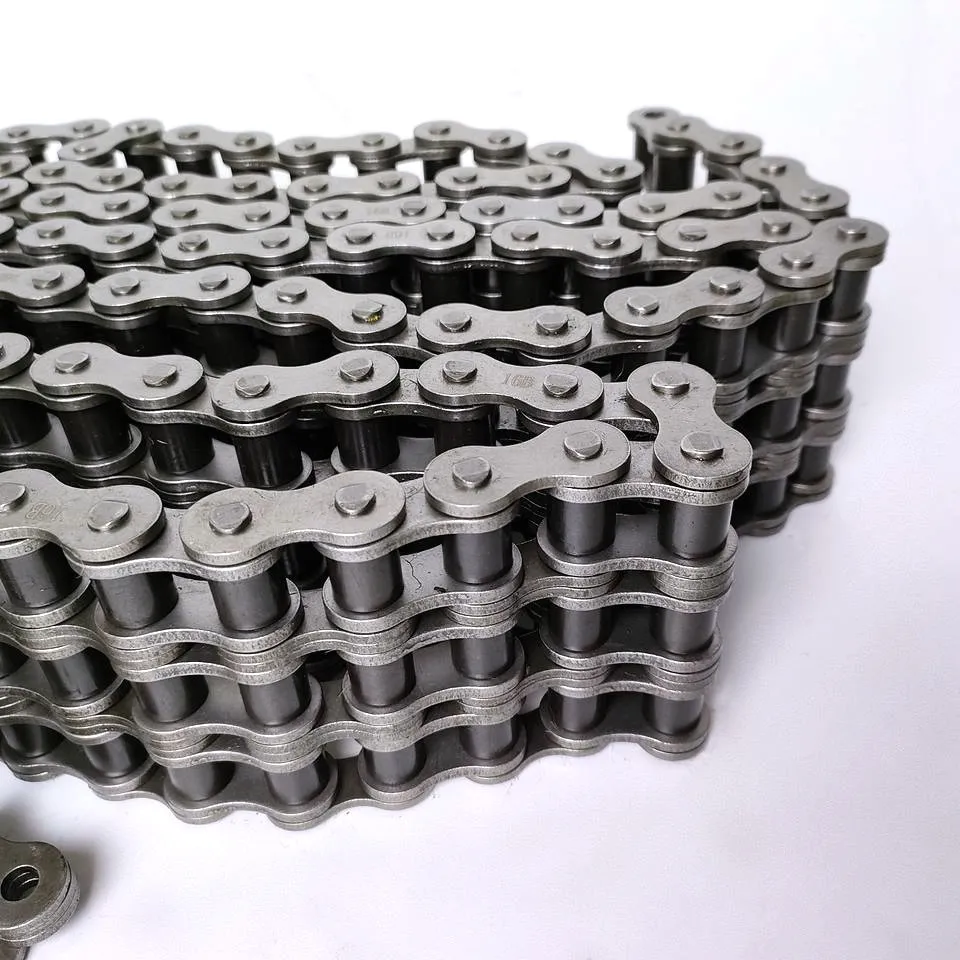
What are the differences between ANSI and ISO roller chain standards?
ANSI (American National Standards Institute) and ISO (International Organization for Standardization) are two widely recognized standards for roller chains. Here’s a detailed answer to the question:
1. Designation and Nomenclature: ANSI and ISO roller chains have different designations and nomenclature. ANSI chains typically use a three-digit number to denote the pitch size, while ISO chains use a four-digit number. The nomenclature for chain sizes and dimensions may also vary between the two standards.
2. Dimensions and Tolerances: ANSI and ISO roller chains may have slight differences in dimensions and tolerances. While the basic design principles are similar, there may be variations in the allowable tolerances for pitch, roller diameter, plate thickness, and other critical dimensions.
3. Load Capacity and Strength: ANSI and ISO standards have different approaches to determining the load capacity and strength of roller chains. The formulas and methods used for calculating the maximum allowable load and ultimate strength may differ between the two standards.
4. Interchangeability: ANSI and ISO roller chains are generally not interchangeable. The differences in dimensions, tolerances, and load capacity calculations make it important to use chains that conform to the specific standard required by the application.
5. Regional Adoption: ANSI roller chain standards are widely used in North America, while ISO standards are more commonly adopted in Europe and many other parts of the world. The regional preference and market availability may influence the choice of standard in different applications and industries.
It’s important to consult the specific ANSI or ISO standard documents for detailed information on the requirements and specifications of roller chains. Additionally, working with suppliers or manufacturers familiar with the applicable standards can help ensure the proper selection and use of roller chains in accordance with the desired standard.
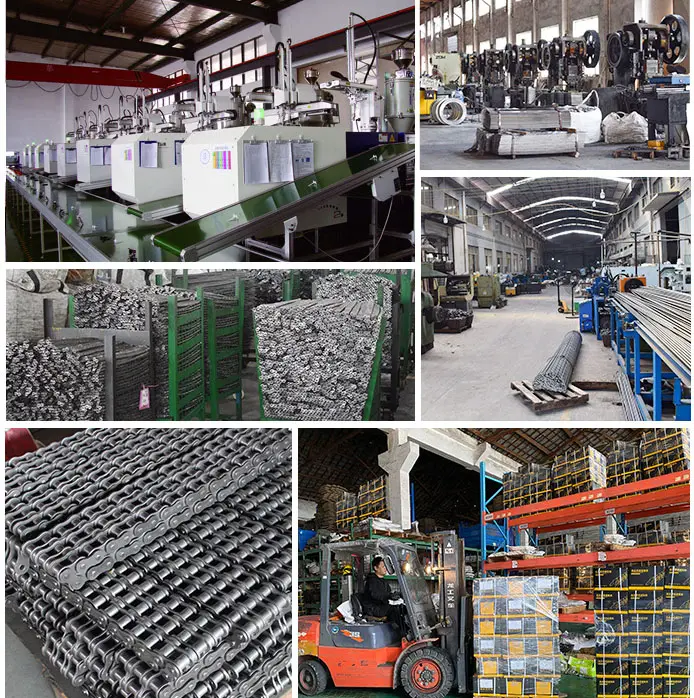
Can roller chains be used for power transmission in construction equipment?
Roller chains can indeed be used for power transmission in construction equipment. Here’s a detailed answer to the question:
Construction equipment often requires a reliable and robust power transmission system to handle heavy loads and operate in demanding environments. Roller chains offer several advantages that make them well-suited for power transmission in construction equipment:
1. High Strength: Roller chains are designed to withstand high tensile and impact loads, making them suitable for the heavy-duty requirements of construction equipment. They are capable of transmitting substantial power without deformation or failure.
2. Durability: Construction sites can expose equipment to harsh conditions such as dust, debris, and vibrations. Roller chains are built to be durable and resistant to these challenging environments. They are constructed from high-quality materials and undergo heat treatment processes to enhance their strength and wear resistance.
3. Versatility: Roller chains can be used in various construction equipment applications, including excavators, loaders, bulldozers, cranes, and concrete mixers. They can efficiently transmit power from the engine to different components such as wheels, tracks, and attachments, allowing the equipment to perform a wide range of tasks.
4. Cost-Effectiveness: Roller chains offer a cost-effective solution for power transmission in construction equipment. They have a relatively low initial cost compared to alternative systems, and their durability and long service life contribute to lower maintenance and replacement costs over time.
5. Easy Installation and Maintenance: Roller chains are easy to install and maintain, requiring regular lubrication and periodic inspection for wear and proper tension. Maintenance tasks can be performed on-site, reducing downtime and increasing equipment availability.
It’s important to note that proper chain selection, sizing, and maintenance are crucial for ensuring optimal performance and longevity in construction equipment applications. Following the manufacturer’s guidelines and recommendations for chain installation, lubrication, and tensioning is essential to maximize the efficiency and reliability of the power transmission system.
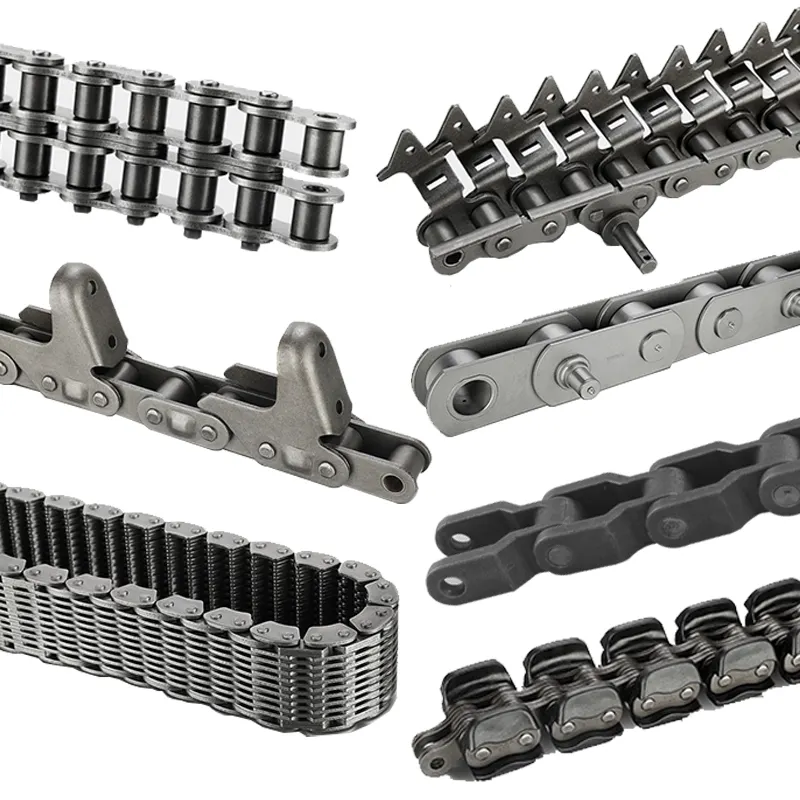
What are the key components of a roller chain?
A roller chain consists of several key components that work together to facilitate power transmission. Here’s a detailed answer to the question:
1. Inner and Outer Plates: The inner and outer plates are flat metal plates that form the sides of the roller chain. They provide support and protection to the other components and help maintain the proper spacing between the rollers.
2. Rollers: The rollers are cylindrical components that are positioned between the inner and outer plates. They are responsible for engaging with the sprockets and transmitting power. The rollers rotate freely on the bushings and reduce friction during operation.
3. Bushings: The bushings are cylindrical sleeves that fit inside the rollers. They provide a low-friction surface for the rollers to rotate on and help reduce wear and extend the life of the chain.
4. Pins: The pins are cylindrical metal rods that connect the inner and outer plates. They pass through the bushings and hold the chain together. The pins are press-fitted into the plates and provide a pivot point for the rollers.
5. Link Plates: The link plates are the connecting elements between adjacent chain links. They are the plates that hold the pins in place and provide structural integrity to the chain.
6. Master Link or Connecting Link: The master link, also known as the connecting link, is a special link that allows for easy installation and removal of the roller chain. It typically has a removable pin or clip that enables the chain to be opened and closed without the need for special tools.
These components work together to form a continuous loop that engages with the sprockets and transfers power from one shaft to another. The precise design and construction of these components contribute to the overall strength, durability, and efficiency of the roller chain.


editor by CX 2023-07-20