
Sawtooth plate roller chain is not a product that suits every drive or every industry — it is a targeted solution for the specific problem of link plate fatigue failure under variable or shock loading. The industrial sectors that use it regularly are those where the loading profile is characteristically variable, where the cost of an unplanned chain failure is disproportionately high, and where the 10 to 20 percent price premium of sawtooth plate chain over standard flat plate chain is easily recovered through extended service life. Mapping which industries and applications actually use this chain — and why — provides a practical reference for engineers and maintenance managers evaluating whether the sawtooth plate upgrade is relevant to their operation.
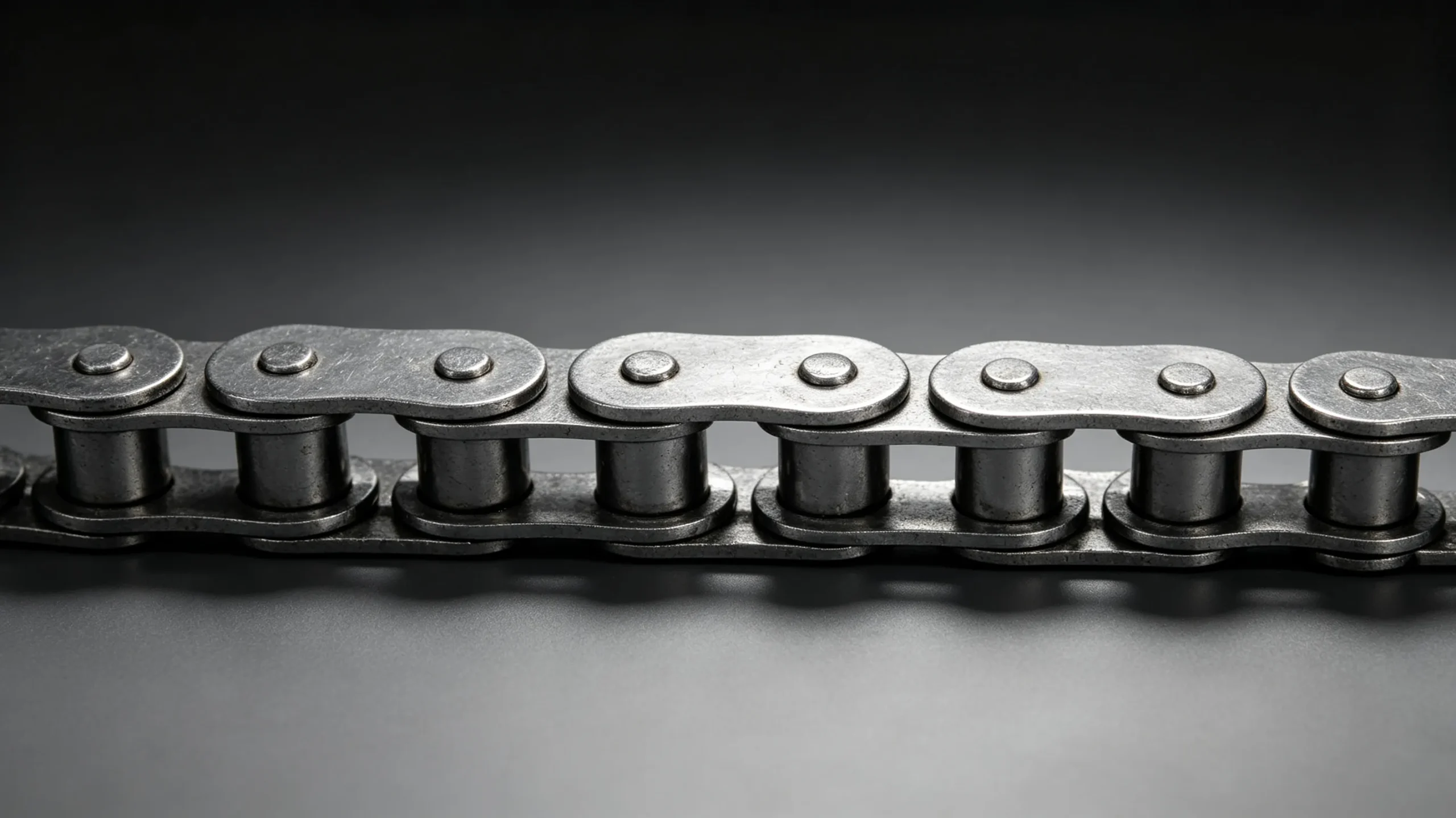
Agricultural Machinery: The Primary User Sector
Agricultural machinery is the largest user of sawtooth plate roller chain globally and in Australia. The reason is the operating loading profile: virtually all major drives in harvesting machinery operate under variable load with regular shock peaks, which is the precise condition where sawtooth plate geometry provides its maximum fatigue life benefit. The industries and specific applications where sawtooth plate chain is most commonly specified in Australian agriculture include:
Combine harvester feeder house drives are the most common sawtooth plate application in grain farming. The feeder house chain tension varies continuously as crop density fluctuates across the field — dense patches cause sharp tension spikes that can exceed three times the mean running tension. Over a 500-hour harvest season with approximately 28 million articulation cycles, these spikes accumulate fatigue damage at the pin holes of standard flat plate chain, causing plate cracking failures that are both costly and time-consuming to rectify in the field. Sawtooth plate roller chain on the feeder house reduces this fatigue damage accumulation by 20 to 40 percent, extending the inter-replacement interval and reducing the probability of in-harvest failures.
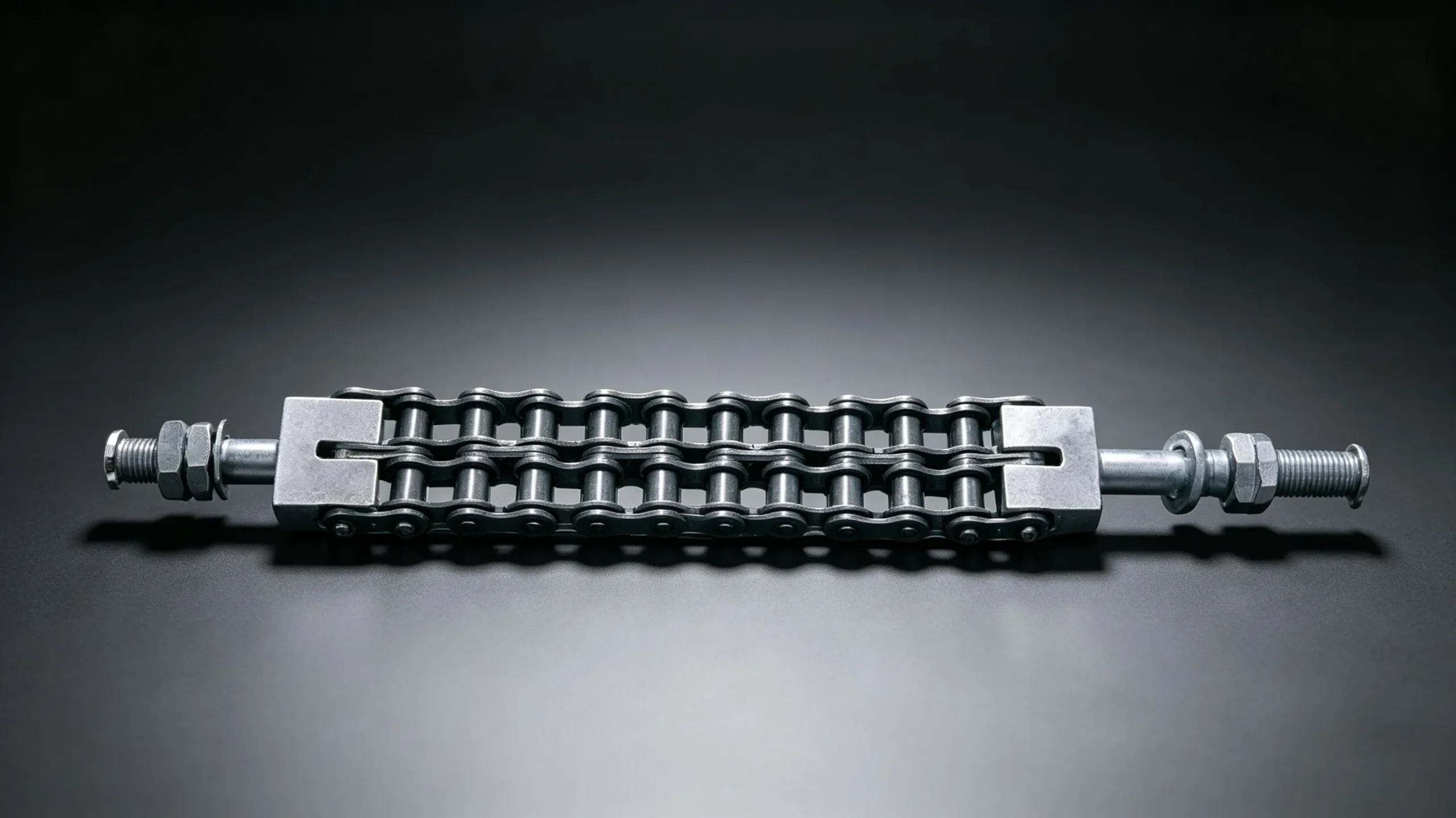
Square Baler and Round Baler Manufacturers
Square hay and straw baler plunger drives are the most fatigue-demanding drives in agricultural machinery. The plunger mechanism compresses crop material through a full cycle from near-zero tension (retraction stroke) to peak compression tension on every complete cycle — at typical baling rates of 60 to 100 bales per hour, this cycle repeats thousands of times per operating day. This high-amplitude cyclic loading at high frequency is exactly the profile for which sawtooth plate roller chain provides the greatest improvement over standard flat plate chain.
Several Australian agricultural equipment distributors supplying square balers now specify sawtooth plate chain as the standard replacement for plunger drives, after finding that the extended service life reduces the number of field breakdowns during baling season — the highest-cost failure scenario in the hay and straw industry. Round baler feed roller drives also benefit from sawtooth plate chain, though the loading is less extreme than square baler plunger drives.
Mining and Bulk Material Handling
Mining conveyor and bulk material handling operations use sawtooth plate roller chain on drives where material loading is variable — coal feeders, ore transfer conveyors, and aggregate handling equipment where the material flow is not perfectly uniform. When an overloaded conveyor section causes a surge in drive tension, standard flat plate chain accumulates fatigue damage at each event. Over the high cycle count of a 24-hour continuous operation, this fatigue accumulation reaches plate cracking threshold faster than in steady-state drives.
The economic case for sawtooth plate chain in mining is particularly strong because replacement labour costs in mining operations are high (often requiring access equipment, confined space procedures, or extended production shutdowns), and the chain runs continuously at high operating hours per year. A 30 percent extension in chain life translates directly to 30 percent fewer shutdowns for chain replacement — a meaningful saving in operational cost over the life of the equipment.
Timber Processing and Forestry Equipment
Log infeed, debarker, and saw infeed drives in timber processing equipment experience shock loading from uneven log density, knotted timber sections, and irregular log feeding. These shock events generate the variable load peaks that accelerate fatigue in standard flat plate chain. Sawtooth plate roller chain on these drives extends inter-replacement intervals, which is significant for sawmill operations that run continuously and where chain replacement requires a production shutdown.
Industrial Conveyor Applications With Variable Load
Beyond primary industries, sawtooth plate roller chain is used in any industrial conveyor application where material loading is variable rather than uniform. Scrap metal conveyors that receive irregular drops of heavy scrap, foundry equipment handling variable-weight castings, and recycling plant conveyors dealing with mixed material streams all expose their drive chains to the variable loading profile that sawtooth plate chain addresses.
| Industry / Application | Loading Profile | Why Sawtooth Plate Chain | Typical Pitch Sizes Used |
|---|---|---|---|
| Combine harvester feeder | Variable — continuous tension fluctuation with peaks to 3–5x mean | Fatigue crack reduction at pin holes — primary application for sawtooth plate | ANSI 60, ISO 12B |
| Square baler plunger drive | High-amplitude cyclic — near-zero to peak per stroke | Highest-amplitude fatigue loading in agriculture — maximum sawtooth benefit | ANSI 80, ISO 16B |
| Mining bulk material handling | Variable — material surge events on continuous operation | Extended replacement interval reduces shutdown frequency in high-hours operation | ANSI 80, ANSI 100 |
| Timber processing infeed | Shock — irregular log weight and density | Reduces fatigue accumulation from wood density shock peaks | ANSI 60, ANSI 80 |
| Scrap and recycling conveyors | Variable shock — irregular material drops | Handles fatigue from repeated impact events better than flat plate chain | ANSI 80, ANSI 100 |
| Forage harvester cutterhead pre-drive | Shock — crop engagement impacts at high speed | High rotational inertia plus crop impact produces fatigue-dominated failure | ANSI 60, ISO 12B |
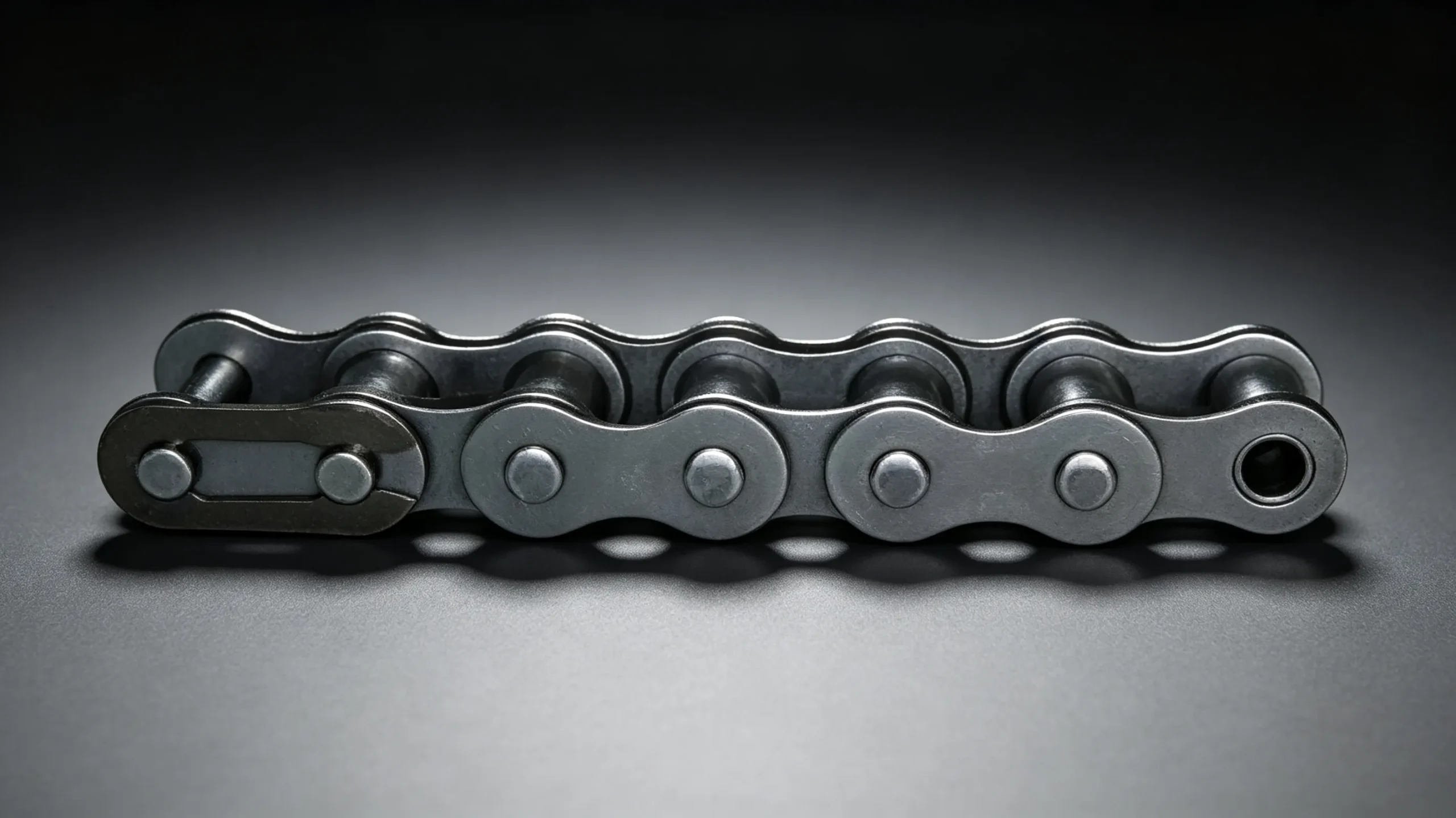
Who Does Not Use Sawtooth Plate Chain
For completeness, it is equally important to understand which applications do not benefit from sawtooth plate roller chain. Any drive operating under smooth, steady-state loading — where the chain tension is approximately constant throughout operation — does not generate the cyclic stress peaks that cause pin-hole fatigue failure in flat plate chain. For these drives, flat plate chain replaced at the 3 percent elongation threshold provides full service life, and the sawtooth plate premium adds cost without improving performance.
Specific applications where standard flat plate chain is the correct specification: centrifugal pump drives, fan and blower drives, uniform-load conveyors in food processing or packaging lines, and any drive where the chain is replaced for elongation rather than plate fatigue cracking. The simple diagnostic — examine the retired chain for plate cracking at the pin holes — determines whether the sawtooth plate upgrade is warranted.
EverPower Roller Chains Australia is a specialist supplier of sawtooth plate roller chain for agricultural, mining, timber, and industrial applications across New South Wales and Australia. Contact our Sydney team to discuss whether sawtooth plate chain is the right specification for your drive and to check current stock availability.
+61 2 9708 3322 | [email protected] | 27 Harley Crescent, Condell Park NSW 2201