
Combine harvester chain supply in Australia sits at the intersection of two distinct procurement channels: the OEM parts system of the harvester manufacturers themselves, and the independent aftermarket of specialist chain importers and agricultural parts distributors. Both channels supply agricultural roller chain for the same machines, but they differ significantly in price, availability during peak demand, product depth, and the ability to supply upgraded specifications — such as sawtooth plate roller chain — that the OEM channel rarely offers. Understanding both channels and when to use each helps harvesting operations reduce chain cost and downtime simultaneously.
What Chain Does a Combine Harvester Use
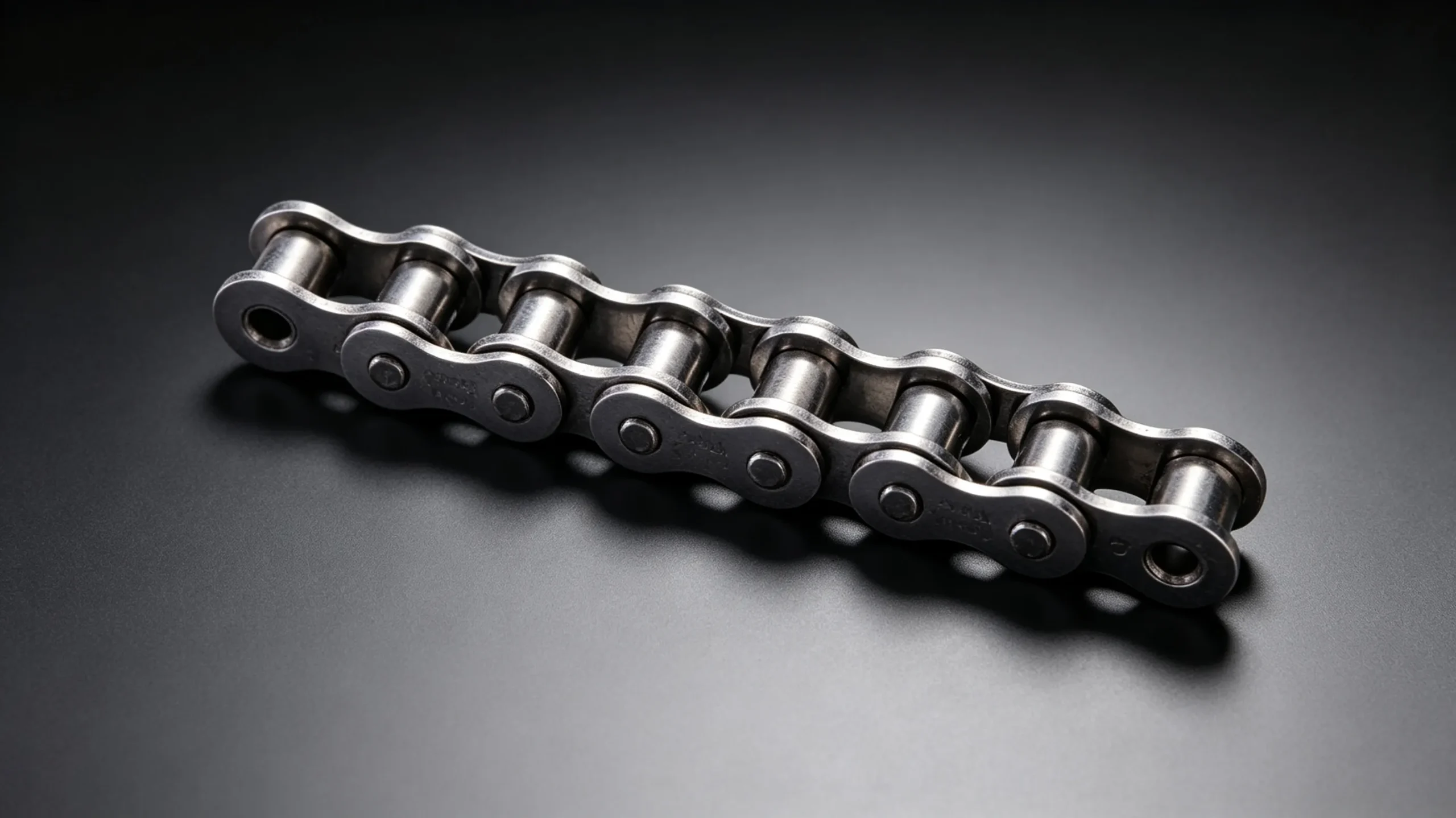
A modern combine harvester contains multiple independent chain drives, each with specific pitch, strand count, and load requirements. The main drives — feeder house, threshing drum pre-drive, main elevator, and returns elevator — typically use ANSI 60 or ANSI 80 simplex or duplex chain in North American brand machines (John Deere, Case IH, New Holland, AGCO). European brand machines (Claas, Fendt, Gleaner) predominantly use ISO 12B or ISO 16B equivalent chain. Secondary drives — straw walkers, cleaning shoe, chaffer, header drives — use smaller pitch chain, often ANSI 50 or ISO 10B.
The feeder house chain is typically the highest-wear chain on the machine, operating under the most variable loading conditions as crop density fluctuates during harvesting. This drive is also the most consequential to replace quickly if it fails — the feeder house chain failing in the field during harvest means the entire machine stops. It is for this reason that the feeder house chain is the most commonly upgraded to sawtooth plate roller chain by operators seeking extended service life.
The OEM Parts Channel: Guaranteed Fit, Premium Price
Purchasing agricultural roller chain through the combine harvester manufacturer OEM parts channel — via authorised dealers — guarantees correct specification for the machine model. The chain is listed by part number and cross-referenced to the specific machine serial number range. For operators who are uncertain about the correct specification, the OEM channel eliminates the risk of ordering the wrong chain. The limitation is price: OEM chain typically carries a 50 to 150 percent premium over equivalent aftermarket chain of the same specification, reflecting dealer margin, packaging, and brand premium rather than any meaningful quality difference in the chain itself.
OEM chain supply also tends to constrain specification to the original factory standard — flat plate standard series chain in the specified pitch. If an operator wants to trial sawtooth plate roller chain for improved fatigue life, the OEM channel will rarely offer this option. The aftermarket channel is the path to specification upgrades.
The Aftermarket Channel: Competitive Price, Broader Range
The independent aftermarket for agricultural roller chain in Australia is served by agricultural parts distributors, bearing and power transmission specialists, and specialist chain importers. Aftermarket chain for combine harvesters is supplied cross-referenced to OEM part numbers, allowing buyers to match the correct specification without going through the OEM dealer. Price is typically 30 to 60 percent below OEM pricing for equivalent standard chain.
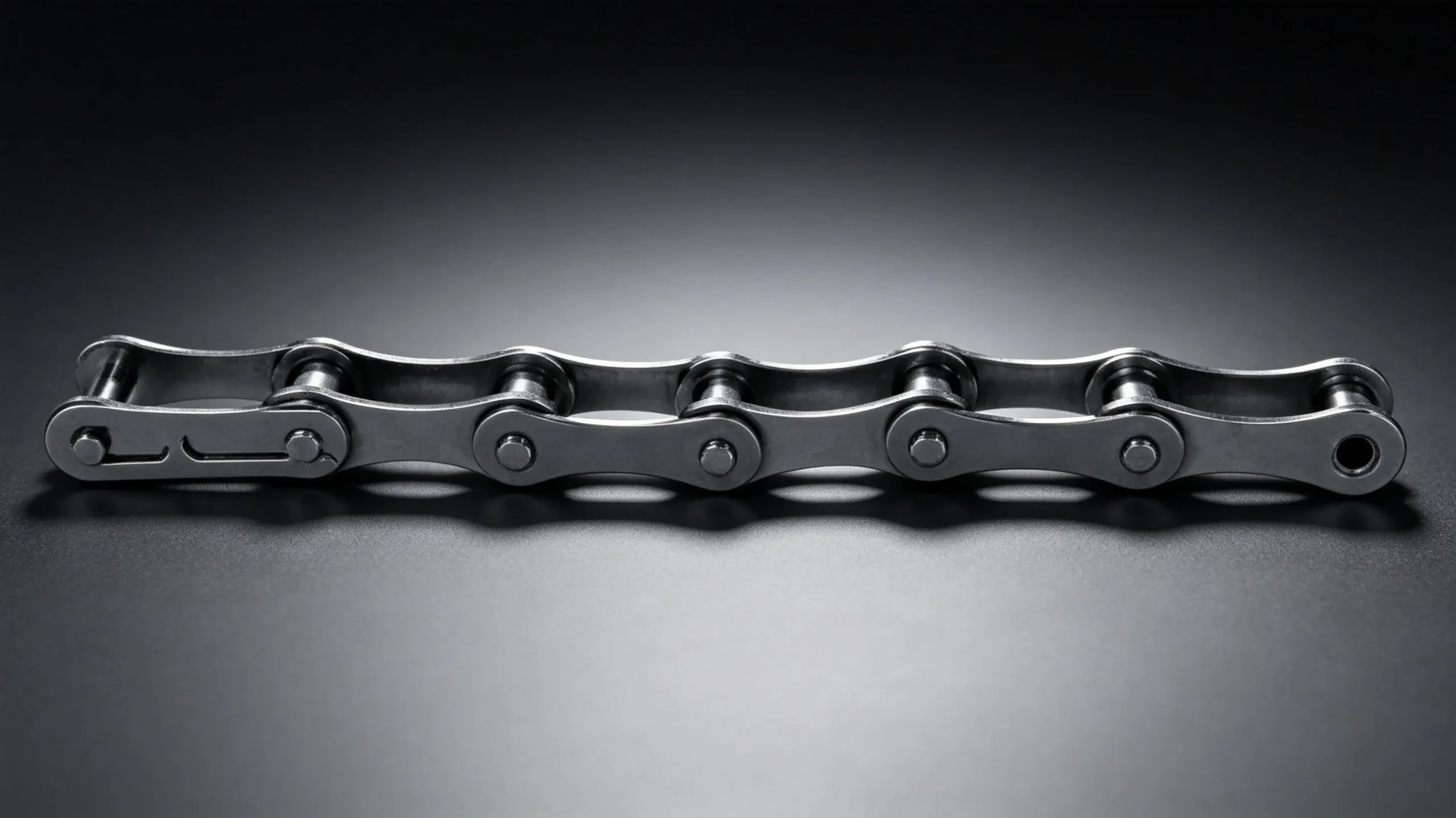
The additional advantage of the aftermarket channel is specification flexibility. Independent importers such as EverPower Roller Chains Australia supply not only standard replacement chain but also sawtooth plate roller chain, heavy duty roller chain, and O-ring chain variants in the same pitch sizes as OEM chain. For operators who have experienced repeated fatigue failures on standard chain in high-demand drives, these upgrade options are only available through the aftermarket channel.
Common Chain Specifications for Major Combine Brands in Australia
| Machine Brand | Primary Feeder Chain Standard | Common Pitch Sizes | Notes |
|---|---|---|---|
| John Deere (North American origin) | ANSI | ANSI 60, ANSI 80 | Check series (standard vs heavy) by model year |
| Case IH / New Holland (CNH) | ANSI | ANSI 60, ANSI 80 | Some models use duplex on high-load drives |
| AGCO (Gleaner, Massey, Fendt) | Mixed — ANSI for American models, ISO for European | ANSI 60 or ISO 12B depending on model | Verify standard by measuring existing chain |
| Claas (European origin) | ISO | ISO 12B, ISO 16B | All Claas models use ISO/BS chain |
| Fendt (European origin) | ISO | ISO 12B, ISO 16B | Same as Claas — European standard throughout |
| Krone (European origin) | ISO | ISO 10B, ISO 12B | Primarily on header and secondary drives |
Pre-Season Planning: The Correct Approach to Chain Supply
The most costly way to source agricultural roller chain in Australia is to order it reactively after a breakdown during harvest. Freight costs for urgent delivery to regional locations are high, and specialist sizes may not be available for same-day despatch even from Sydney-based importers. The correct approach is pre-season ordering — inspecting all chain drives 4 to 6 weeks before the anticipated harvest start date, measuring elongation on all chains, and ordering replacements for any chain at or approaching the 2 percent elongation threshold.
This pre-season inspection and replacement cycle is the standard practice of well-run harvesting operations. It adds a small predictable cost to the pre-season maintenance budget and eliminates a large unpredictable cost from in-season breakdowns. EverPower Roller Chains Australia can assist with pre-season chain audits by advising on the correct chain specification for your combine model and stocking the required chain ahead of the season start for your account.
EverPower: Agricultural Chain Specialist for Australian Harvesters
EverPower Roller Chains Australia focuses specifically on the agricultural chain market, with stock of ANSI roller chain and ISO equivalent chain in the pitch sizes most commonly used on combine harvesters, balers, and grain handling equipment operating across New South Wales, Queensland, Victoria, and South Australia. We stock both standard flat plate chain and sawtooth plate roller chain for the feeder house and high-wear drives where fatigue life improvement delivers the greatest value.
Contact EverPower Roller Chains Australia at least 4 weeks before your harvest season to arrange pre-season chain supply. We can advise on the correct specification for your combine model and stock the required chain for your account. Call +61 2 9708 3322 or email [email protected].
+61 2 9708 3322 | [email protected] | 27 Harley Crescent, Condell Park NSW 2201