
Roller Chain for Agricultural Equipment

Introduction
Roller chains are an essential component in agricultural equipment, providing smooth and efficient power transmission. In this article, we will explore the various aspects of roller chains for agricultural equipment and their importance in the industry.

Roller Chains & Sprockets
1. Understanding Roller Chains
Roller chains, also known as bush chains, consist of a series of interconnected cylindrical rollers that are held together by side plates. These chains play a vital role in transmitting power and motion between different components of agricultural equipment.
2. Importance of Sprockets
Sprockets are toothed wheels that engage with the rollers of the chain, enabling the transfer of power. They are crucial in maintaining proper tension and alignment of the roller chain, ensuring optimal performance and longevity of the agricultural equipment.
3. Selection of Roller Chains
When choosing roller chains for agricultural equipment, factors such as load capacity, speed, and environmental conditions must be considered. It is essential to select the appropriate roller chain size, material, and lubrication method to ensure reliable and efficient operation.
4. Customization Options
Customizing roller chains to meet specific requirements is common in the agricultural industry. Parameters such as pitch, roller diameter, and plate thickness can be tailored for optimal performance in different agricultural applications.
5. Maintenance and Lubrication
Proper maintenance and lubrication are crucial for the longevity and performance of roller chains. Regular inspection, cleaning, and lubrication are necessary to prevent wear, reduce friction, and minimize downtime in agricultural equipment.

What is Industrial Roller Chain used for?
1. Power Transmission
Industrial roller chains are widely used for power transmission in various agricultural applications, such as conveyors, harvesters, and sprayers. They efficiently transfer power from the engine to different mechanical components, ensuring smooth operation.
2. Load Handling
Roller chains are designed to handle heavy loads, making them ideal for agricultural equipment that requires robust and reliable power transmission. Their ability to withstand high tensile forces makes them suitable for demanding conditions in the agricultural industry.
3. Precision and Accuracy
Industrial roller chains offer precise and accurate power transmission, ensuring consistent performance in agricultural equipment. This reliability is crucial for maintaining optimal efficiency and productivity in farming operations.
4. Versatility
Roller chains are versatile and can be used in a wide range of agricultural equipment, including tractors, combine harvesters, and seeders. Their adaptability makes them a preferred choice for various farming applications.
5. Cost-Effectiveness
Industrial roller chains provide a cost-effective solution for power transmission in agricultural equipment. Their durability, low maintenance requirements, and long service life make them a cost-efficient choice for farmers and equipment manufacturers.

Types of Roller Chains
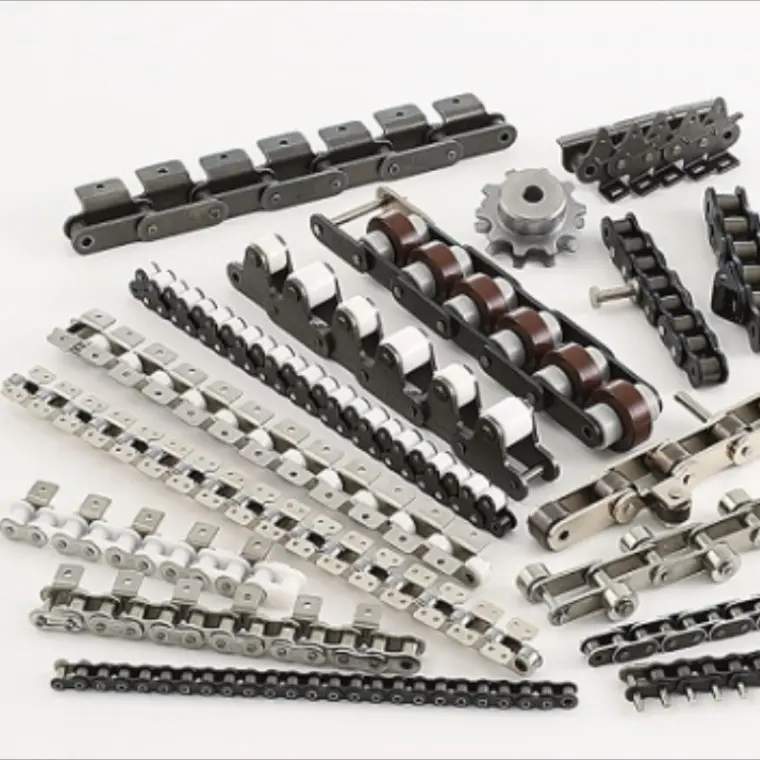
There are several types of roller chains available for agricultural equipment:
1. Standard Roller Chains
These chains are commonly used in various agricultural applications and provide reliable power transmission for moderate loads and speeds.
2. Heavy-Duty Roller Chains
Designed for applications that require high strength and durability, heavy-duty roller chains are capable of handling heavy loads and operating in harsh environments.
3. Double-Pitch Roller Chains
Double-pitch roller chains have longer pitch distances between the rollers, making them suitable for applications that require lower speeds and lighter loads.
4. Hollow Pin Roller Chains
Hollow pin roller chains have hollow pins, allowing for easy attachment of various accessories or customization for specific agricultural equipment requirements.
5. Extended Pitch Roller Chains
Extended pitch roller chains are used in applications that require extra-large sprockets or longer pitch lengths, providing increased flexibility and adaptability.
Choosing and Customizing Roller Chains
When selecting or customizing roller chains for agricultural equipment, several factors need to be considered:
1. Load Capacity
The roller chain should be able to handle the maximum expected load without compromising performance or safety.
2. Speed and RPM
Consider the operating speed and RPM requirements to ensure that the roller chain can withstand the required rotational forces.
3. Environmental Conditions
Special considerations must be given to environmental factors such as temperature, moisture, chemicals, and dust, which can affect the performance and longevity of the roller chain.
4. Size and Pitch
Choosing the correct roller chain size and pitch is crucial for maintaining optimal power transmission efficiency and preventing premature wear.
5. Lubrication Method
Selecting the appropriate lubrication method, such as manual or automatic lubrication, is essential to ensure proper lubrication of the roller chain for smooth operation.
About HZPT
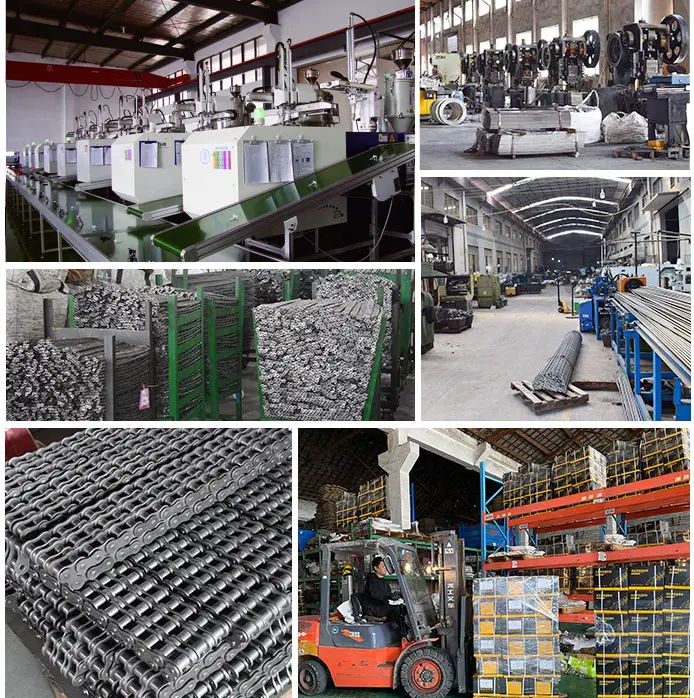
HZPT was established in 2006 and is located in Hangzhou, China. With a factory area of 1,700 square meters and a total construction area of 30,000 square meters, we specialize in the production and sale of roller chains for various industries.
Our Advantages:
1. 20 years of ODM and OEM experience
2. 100% pre-shipment testing
3. 24-hour service for any inquiries or concerns
4. Products made with the best materials, with our OEM team designing new products based on market demands
5. Factory-direct pricing for four years
6. Customization options for packaging and brand
At HZPT, we take pride in our expertise in producing and selling roller chains. Contact us today for your roller chain needs, and we will respond within 24 hours with the best solutions for your agricultural equipment.
Edited?by?:?CX????