
c2040 Chain: A Comprehensive Guide to Roller Chains & Sprockets
Introduction
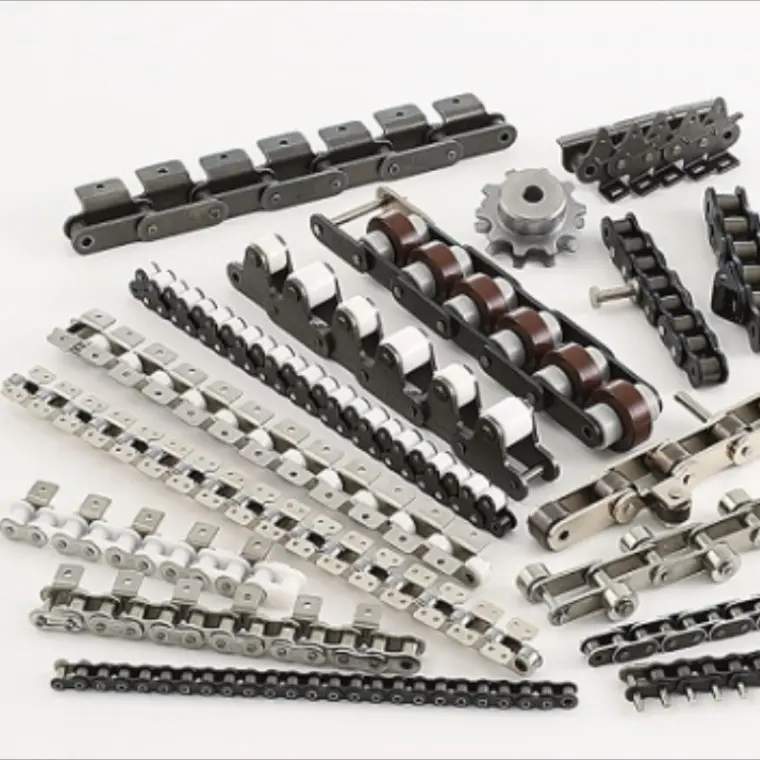
Roller chains are an essential component in various industrial applications, providing efficient power transmission. Among the different types of roller chains, the c2040 chain stands out for its durability and versatility. In this comprehensive guide, we will explore the intricacies of the c2040 chain, its applications, types, and how to select or customize the right roller chains for your specific needs.
Roller Chains & Sprockets
Roller chains consist of a series of cylindrical rollers interconnected by hinges. They are driven by sprockets, which are toothed wheels that engage with the chain, ensuring smooth and reliable power transmission. Here are some key points to understand about roller chains and sprockets:
- Roller chains are widely used in industries such as automotive, machinery, agriculture, and more. They are particularly suited for applications that require high strength, precision, and durability.
- Industrial roller chains are designed to withstand heavy loads, high speeds, and harsh operating conditions. Their robust construction ensures reliable performance even in demanding environments.
- Sprockets, the counterpart of roller chains, come in various designs and sizes. They are carefully engineered to match the chain’s pitch, ensuring smooth engagement and efficient power transmission.
- The combination of roller chains and sprockets allows for the efficient transfer of rotational motion, making them ideal for applications such as conveyors, power transmission systems, and lifting equipment.
- Roller chains and sprockets require proper lubrication and regular maintenance to ensure optimal performance and longevity. Adequate lubrication reduces friction and wear, extending the service life of the chain and sprockets.

What is Industrial Roller Chain used for?
Industrial roller chains find application in a wide range of industries and machinery. Here are some common uses:
- Conveyors: Roller chains are extensively used in conveyor systems to transport materials or products smoothly and efficiently.
- Power Transmission: Roller chains transmit power from one rotating component to another, enabling the operation of various machinery and equipment.
- Lifting Equipment: Industrial roller chains play a crucial role in lifting equipment such as cranes and hoists, ensuring safe and reliable vertical movement.
- Agricultural Machinery: From tractors to harvesters, roller chains are an integral part of agricultural machinery, facilitating the efficient operation of farming equipment.
- Automotive: Roller chains are utilized in vehicle engines and transmissions, providing reliable power transfer for smooth acceleration and gear shifting.

Types of Roller Chains
There are several types of roller chains available, each designed for specific applications and operating conditions. The most common types include:
- Standard Roller Chains: These are the most widely used roller chains, suitable for general industrial applications.
- Double-Pitch Roller Chains: With longer pitch dimensions, double-pitch chains are ideal for slower speeds and light-duty applications.
- Heavy-Duty Roller Chains: Built to withstand high loads and harsh environments, heavy-duty chains provide superior strength and durability.
- Leaf Chains: Leaf chains are designed for applications that require precise positioning and high tensile strength.
- Stainless Steel Chains: Stainless steel chains offer corrosion resistance and are commonly used in food processing and chemical industries.
Choosing and Customizing Roller Chains
When selecting or customizing roller chains, various factors and parameters need to be considered to ensure optimal performance. Here are essential points to guide you:
- Load Capacity: Determine the maximum load the chain will be subjected to, considering factors such as weight, shock loads, and operating conditions.
- Speed: Consider the required rotational speed and choose a roller chain that can handle the intended velocity without compromising performance.
- Environment: Assess the operating environment, including temperature, humidity, presence of corrosive substances, and any other factors that may affect the chain’s performance. Select a chain with suitable corrosion resistance or protective coatings if necessary.
- Alignment: Ensure proper alignment between the chain and sprockets to prevent premature wear and excessive stress on the system.
- Maintenance: Evaluate the ease of maintenance and the availability of spare parts for the chosen roller chain. Opt for chains that require minimal lubrication and offer easy disassembly for maintenance purposes.

About HZPT
HZPT was established in 2006 and is located in Hangzhou, China. With an impressive factory area of 1700 square meters and a total building area of 30000 square meters, we specialize in producing and selling roller chains.
Our product range encompasses over 10 series and thousands of specifications of gearboxes, including planetary gearboxes and spiral bevel gearboxes. We take pride in our four patented technologies and our expertise in manufacturing high-precision custom reduction gearboxes with exceptional torque capacity.
Here are some of our advantages:
- 20 years of ODM and OEM experience
- 100% pre-delivery testing
- 24-hour service for prompt assistance
- Usage of premium materials and regular design updates based on market demands
- Factory-direct prices for over 4 years
- Customizable packaging and branding options
If you are looking for reliable roller chain solutions, do not hesitate to contact us. We are committed to delivering high-quality products and providing exceptional customer service. Reach out to us, and we will respond within 24 hours with the best possible solutions tailored to your requirements.
Edited?by?:?CX????