Product Description
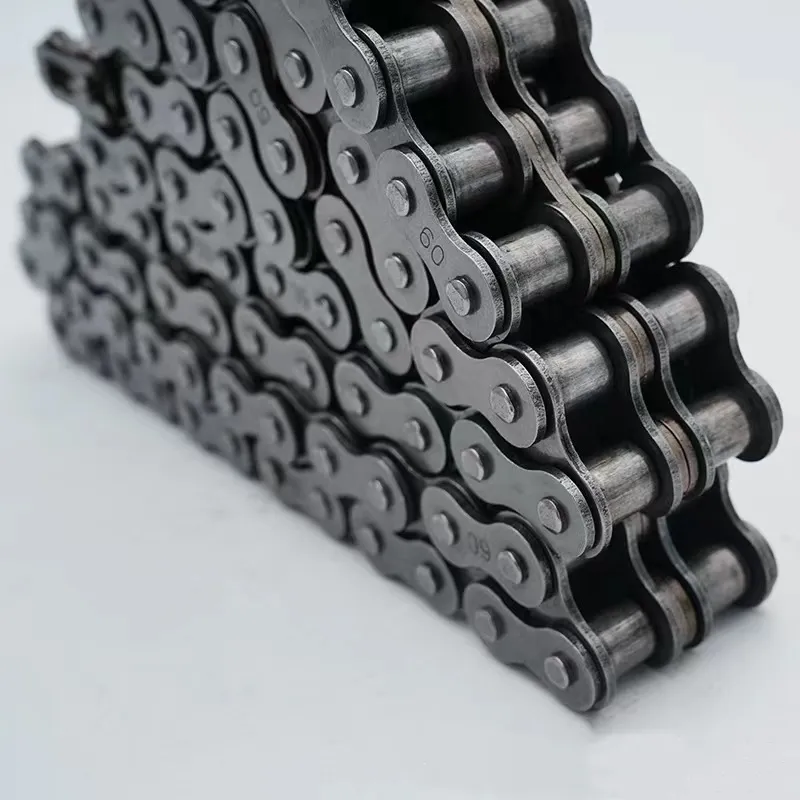
| DIN Chain No. | ISO/ANSI Chain No. | P/mm | d1/mm | L/mm | b1/mm | T/mm | |||||||||||||||||||
| 08A-1 | 40 | 12.70 | 7.92 | 16.70 | 7.85 | 1.50 | |||||||||||||||||||
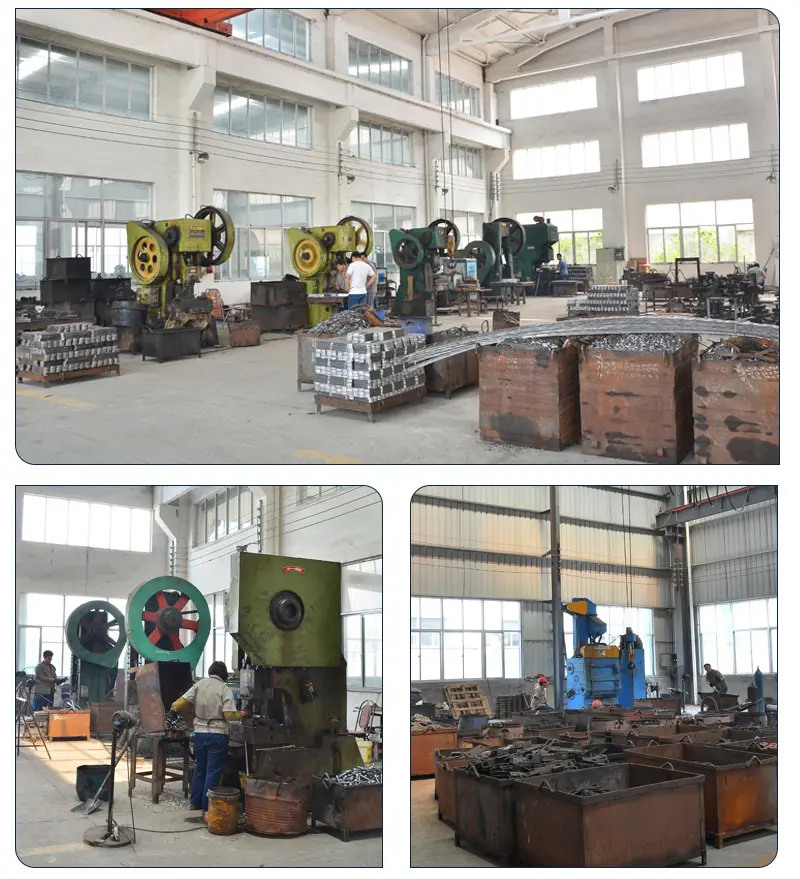
| 10A-1 | 50 | 15.875 | 10.16 | 20.70 | 9.40 | 2. Abbreviation: CHOHO Industry. √ HangZhou CHOHO Industrial Co., Ltd. was founded in 1999. Has become the leader of chain system technology, the first batch of natioal recognized enterprise technology center,national technology innovation demonstration enterprise,and the first A-share listed company in China’s chain drive industry.The securities code is 003033.
We are very close to the port of HangZhou, which saves a lot of logistics costs and transportation time! We have our own logistics company and transportation department. If you need me to deliver goods to your warehouse or other ports in China, such as ZheJiang Port and ZheJiang Port, we can also do it!
√ CHOHO has a natural brand awareness. As of January 2571, CHOHO has registered the “CHOHO” trademark in more than 60 countries, including the United States, Japan, the United Kingdom, France, Germany, Russia, Spain, Austria, Belgium, Bulgaria, Croatia, Czech Republic, Denmark, Finland, Greece , Hungary, Ireland, Italy, Netherlands, Poland, Portugal, Romania, Ukraine, Sweden, Australia, Algeria, Egypt, Kenya, Morocco, South Korea, Kazakhstan, Mongolia, Syria, Thailand, Pakistan, India, Brazil, Mexico, Colombia, etc. CHOHO has been invited to participate in many international exhibitions around the world, including industrial exhibitions, agricultural exhibitions, motorcycle exhibitions, engine exhibitions, such as Hannover Messe, Bologna Fair, Canton Fair ,VIV ASIA and other world famous exhibitions! COOPERATIVE CLIENT Broad Customer Channels Market Continues to Develop! Choho Provide Chain System Solutions for The Global Top 500 and The Enterprises in Various Fields Top 10! FAQ 1. Are you manufacturer or trade Company?
Can roller chains be used for power transmission in automotive applications?Yes, roller chains can be used for power transmission in automotive applications. However, it’s important to note that roller chains are not commonly used as the primary method of power transmission in modern automotive systems. The automotive industry has largely transitioned to other technologies such as timing belts and gears for power transmission. Nevertheless, roller chains can still be found in some automotive components and systems. Here’s a detailed answer to the question: 1. Engine Timing: Roller chains are commonly used in internal combustion engines to drive the camshafts and synchronize the opening and closing of the engine’s valves. The timing chain ensures precise timing between the crankshaft and camshaft, allowing for efficient engine operation. 2. Transfer Cases: In certain four-wheel-drive and all-wheel-drive vehicles, roller chains are used in the transfer case to transmit power from the transmission to the front and rear axles. The roller chain in this application allows for smooth and efficient power transfer between the different drivetrain components. 3. Other Applications: While roller chains are not as prevalent in other automotive systems, they can be found in some secondary applications such as power steering systems, engine oil pumps, and accessory drives. It’s important to consider the specific requirements of the automotive application when determining the suitability of a roller chain. Factors such as load capacity, speed, temperature, and environmental conditions need to be carefully evaluated. Additionally, regular maintenance and lubrication are crucial to ensure the longevity and reliable performance of the roller chain in automotive applications.
How do roller chains handle abrasive environments?Roller chains are designed to handle various operating conditions, including abrasive environments. Here’s a detailed answer to the question: 1. Material Selection: Roller chains are typically constructed using high-quality materials that offer good resistance to abrasion. Common materials used for roller chains include alloy steel, stainless steel, or specialized coatings that enhance wear resistance. 2. Surface Hardness: The components of a roller chain, such as the pins, bushings, and rollers, are heat-treated to achieve a high surface hardness. This hardness helps to resist wear caused by abrasive particles present in the environment. 3. Lubrication: Proper lubrication plays a crucial role in protecting roller chains from abrasive wear. Lubricants act as a barrier between the chain components and abrasive contaminants, reducing friction and minimizing wear. The lubricant also helps to flush away any abrasive particles that may come in contact with the chain. 4. Sealing and Protection: Roller chains can be equipped with seals or protective covers to provide an additional layer of defense against abrasive particles. These seals help to prevent contaminants from entering the chain and causing premature wear. Seals also help to retain lubrication within the chain, further enhancing its performance in abrasive environments. 5. Regular Maintenance: Regular inspection and maintenance are essential to ensure the longevity of roller chains in abrasive environments. This includes periodic cleaning to remove accumulated debris and checking for signs of wear or damage. Prompt replacement of worn components is necessary to prevent further deterioration and ensure reliable operation. While roller chains are generally robust in abrasive environments, it’s important to consider the severity of the abrasion, as extremely abrasive conditions may require specialized chain materials or additional protective measures. Consulting with experts and selecting the appropriate chain design and materials based on the specific application requirements can help maximize the performance and lifespan of roller chains in abrasive environments.
Are there any alternatives to roller chains for power transmission?Yes, there are several alternatives to roller chains for power transmission, depending on the specific application requirements. Here’s a detailed answer to the question: 1. Belt Drives: Belt drives are a common alternative to roller chains for power transmission. They use a flexible belt made of materials such as rubber, polyurethane, or neoprene. Belt drives offer smooth and quiet operation, high-speed capabilities, and can transmit power over long distances. They are often used in applications where precise synchronization is not required. 2. Gear Drives: Gear drives use meshing gears to transmit power. They offer high torque capabilities, precise motion control, and can handle heavy loads. Gear drives are commonly used in applications that require high efficiency and precise speed control, such as industrial machinery, automotive transmissions, and robotics. 3. Timing Belts: Timing belts, also known as synchronous belts, are toothed belts that provide positive power transmission. They are used in applications that require precise synchronization between two or more shafts. Timing belts offer low noise, high efficiency, and resistance to slippage. They are commonly used in automotive engines, industrial automation, and precision machinery. 4. Chain Drives: Chain drives, similar to roller chains, use interconnected links to transmit power. However, chain drives often have larger pitch sizes and heavier-duty construction compared to roller chains. Chain drives offer high load-carrying capacity, durability, and can operate in demanding conditions. They are commonly used in heavy machinery, agricultural equipment, and motorcycles. 5. Direct Drives: Direct drives eliminate the need for mechanical power transmission components like chains or belts. They directly connect the motor or power source to the driven equipment, providing a more efficient and compact solution. Direct drives are commonly used in applications that require high precision, such as CNC machines, robotics, and linear motion systems. When considering alternatives to roller chains, factors such as load requirements, speed, precision, environmental conditions, and cost must be taken into account. Each alternative has its own advantages and limitations, and the choice depends on the specific needs of the application.
Related Posts |