
The question of which manufacturer produces the best heavy duty roller chain is not one that has a single universal answer — it depends on what performance characteristic is being prioritised, what application the chain is being used in, what quality documentation requirements the buyer has, and what price point is acceptable. What the question does have is a principled framework for evaluation: specific performance indicators, measurable quality parameters, and a clear understanding of which manufacturers consistently meet them. This article provides that framework and identifies what to look for when comparing heavy duty roller chain from different sources.
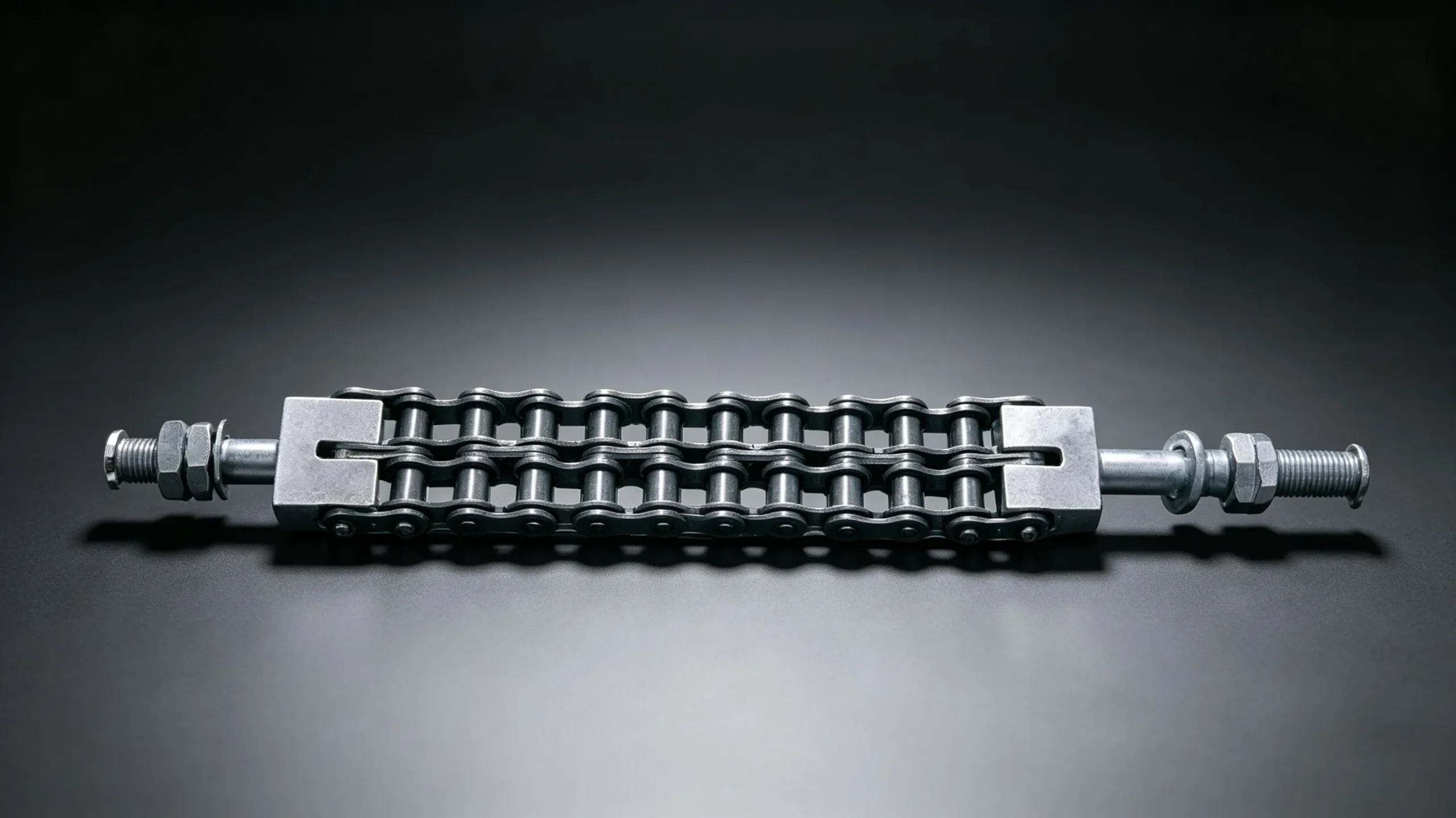
What Defines Quality in Heavy Duty Roller Chain
Quality in heavy duty roller chain is not a subjective assessment — it is measurable across five specific parameters that directly determine how the chain performs in service. A chain that meets all five parameters consistently across production batches can be reliably described as high quality. A chain that meets them on average but varies significantly between batches creates the kind of unpredictable service life that frustrates maintenance planners and undermines the economics of specification.
Breaking Load Consistency
The minimum breaking load should meet or exceed the ANSI B29.1 or ISO 606 specification for the chain size and series — and it should do so consistently across batches. A chain that tests above specification on the sample batch but below specification on subsequent deliveries is not consistently high quality.
Dimensional Precision
Pitch, roller diameter, inner width, and plate thickness must all fall within the specification tolerance for the chain to engage correctly with matched sprockets. Dimensional variation causes the load distribution and fatigue life problems described elsewhere in this series.
Material and Heat Treatment
Plate, pin, and bushing steel grades and heat treatment parameters determine the fatigue endurance limit and hardness profile of each component. A chain manufactured from lower-grade steel or with inconsistent heat treatment will fail earlier than specification predicts.
Pin-Bushing Clearance Consistency
The radial clearance between the pin outer surface and bushing bore must be within tight limits — too tight and the joint is stiff; too loose and elongation accelerates. Consistent clearance across the full chain length indicates precision manufacturing.
Surface Finish Quality
The surface finish of the pin and bushing contact surfaces affects both initial wear rate and lubrication film retention. Properly finished surfaces require less running-in time and maintain film integrity better under sustained load.
Japanese Manufacturers: The Traditional Quality Standard
Japanese roller chain manufacturers — led by Tsubaki, Daido, and Renold Japan — have set the quality reference standard for industrial chain for several decades. Their manufacturing processes are highly automated, their quality management systems are deeply embedded in their production culture, and their dimensional consistency across production batches is exceptional. For applications where a premium price is justified by the need for absolute consistency and the availability of comprehensive technical support, Japanese chain remains the reference standard.
The practical limitation of Japanese heavy duty roller chain for Australian buyers is cost — 1.8 to 2.5 times the price of equivalent Chinese export-grade chain — and lead time. Japanese manufacturers do not typically maintain large Australian stocking positions; standard sizes may be available through Australian distributors, but specialty sizes (heavy series duplex, large pitch heavy series) often require order lead times of 8 to 16 weeks. For agricultural operations where the replacement chain is needed within days of a failure, this lead time is unworkable.
European Manufacturers: Engineering Excellence for European OEM
European roller chain manufacturers — Renold (UK), Iwis (Germany), and Tsubaki Europe — produce chain to ISO 606 and DIN 8187 specifications with a manufacturing heritage comparable to Japanese manufacturers. Their chain is the default specification for European OEM equipment — Claas, Krone, Fendt, Liebherr — and the quality is consistently excellent. Like Japanese chain, European chain carries a significant price premium (2.0 to 3.0 times Chinese export-grade) and faces availability challenges in Australia for non-standard sizes.
Chinese Export-Grade Manufacturers: Value and Range
The top tier of Chinese roller chain manufacturers — those producing for export markets in Australia, the United States, Germany, and Japan — have substantially closed the quality gap to Japanese and European producers in terms of dimensional consistency and breaking load compliance. Their manufacturing equipment, in many cases, is the same European-origin CNC plate blanking and hardening equipment used by Western manufacturers. The quality difference that remains is primarily in batch-to-batch consistency and the depth of process control data available to buyers — areas where the best Chinese manufacturers continue to improve.
For Australian industrial buyers, Chinese export-grade heavy duty roller chain from a qualified supplier offers the best balance of quality, cost, and availability. At 30 to 60 percent of Japanese or European price, with comparable dimensional performance and full ANSI B29.1 specification compliance, Chinese export-grade chain supplied through an established Australian importer with quality documentation represents genuine value for most industrial and agricultural applications.
| Manufacturer Origin | Relative Cost | Dimensional Consistency | Breaking Load Compliance | Australian Stock Depth | Lead Time for Specialty Sizes |
|---|---|---|---|---|---|
| Japanese (Tsubaki, Daido) | 2.0–2.5x | Excellent | Excellent — consistent above minimum | Limited — order lead time typical | 8–16 weeks |
| European (Renold, Iwis) | 2.2–3.0x | Excellent | Excellent | Very limited — import on order | 8–14 weeks |
| Chinese export-grade (qualified) | 1.0x (baseline) | Very good — batch variation lower than domestic grade | Meets ANSI/ISO with batch certificates | Good via specialist importers | 4–8 weeks; common sizes ex-stock |
| Chinese domestic-grade | 0.6–0.8x | Variable — higher batch-to-batch variation | May not consistently meet ANSI/ISO | Not appropriate for OEM supply | Varies |
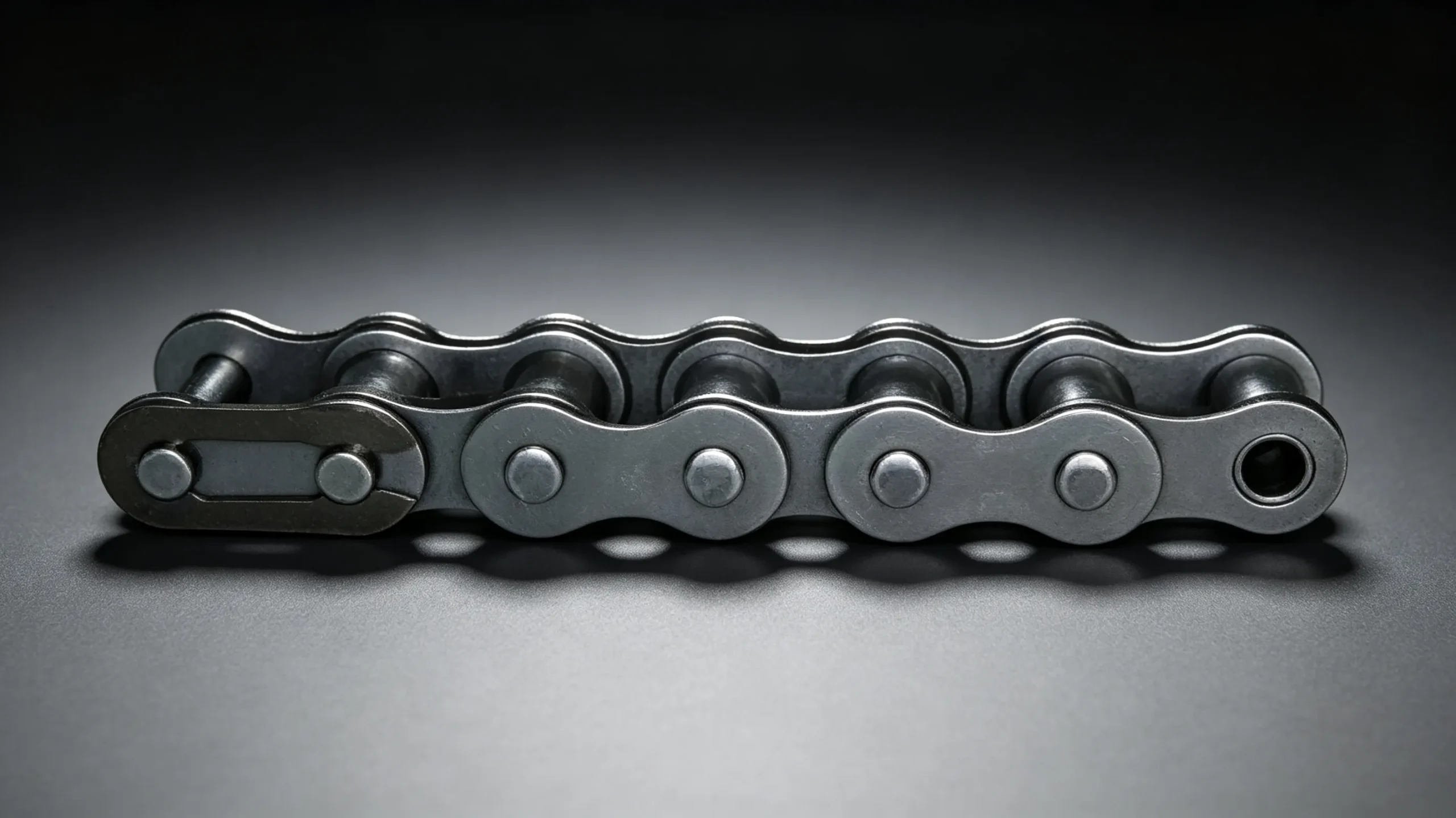
How to Evaluate Chain Quality Before Committing to a Supplier
Rather than relying on manufacturer reputation alone, apply a structured evaluation process to any new heavy duty roller chain source. Request a sample batch — at least 3 to 5 metres — before committing to volume. Measure pitch, roller diameter, inner width, and plate thickness against the ANSI B29.1 or ISO 606 table for the chain number. Run the sample chain in a representative drive for at least 200 operating hours and measure elongation before and after. Examine the chain for any signs of premature fatigue at pin holes or connecting link areas.
This evaluation process adds 2 to 3 months to the supplier qualification timeline but provides defensible quality evidence that no amount of supplier documentation can replicate. For OEM programmes where the chain specification is embedded in an equipment warranty or safety case, this empirical testing step is not optional.
EverPower Roller Chains Australia supplies heavy duty roller chain from qualified export-grade Chinese manufacturers with full ANSI B29.1 compliance documentation. We maintain stock of ANSI 60H, 80H, and 100H in Sydney for immediate despatch, and can provide samples for evaluation before volume commitments. Contact our team for specifications and pricing.
+61 2 9708 3322 | [email protected] | 27 Harley Crescent, Condell Park NSW 2201