
43 Roller Chain: A Comprehensive Guide

Introduction
Roller chains play a crucial role in various industries, providing reliable power transmission in a wide range of applications. In this comprehensive guide, we will explore the intricacies of 43 roller chains and their significance in industrial operations.
1. Understanding Roller Chains & Sprockets
Roller chains and sprockets form an essential power transmission mechanism. They consist of interlocking components, including rollers, pins, and plates, that work in conjunction with carefully designed sprockets to transmit power efficiently. This reliable method ensures smooth operation and high load-bearing capacity.

1.1 Roller Chains
Roller chains are a type of transmission chain widely used for power transmission in various industrial applications. They offer exceptional durability, flexibility, and efficiency, making them suitable for heavy-duty machinery and equipment.
1.2 Sprockets
Sprockets are toothed wheels specifically designed to engage with roller chains. They come in different sizes, configurations, and materials to accommodate the specific needs of various applications. The precise alignment and engagement between sprockets and roller chains ensure seamless power transmission.
2. Industrial Applications of Roller Chains
The versatility and reliability of roller chains make them indispensable in numerous industries. Here, we explore some of the key applications:
2.1 Manufacturing
In manufacturing processes, roller chains are extensively used in conveyor systems, assembly lines, and material handling equipment. They enable the smooth and efficient movement of products and components, ensuring seamless production flow.
2.2 Agriculture
Agricultural machinery heavily relies on roller chains for tasks such as operating harvesters, tractors, and irrigation systems. Their robust construction and high tensile strength make them ideal for withstanding harsh environments and heavy loads.
2.3 Construction
Construction machinery, including cranes, excavators, and cement mixers, requires reliable power transmission to handle demanding tasks. Roller chains excel in these applications, providing the necessary strength and durability to withstand heavy loads and challenging conditions.
3. Types of Roller Chains
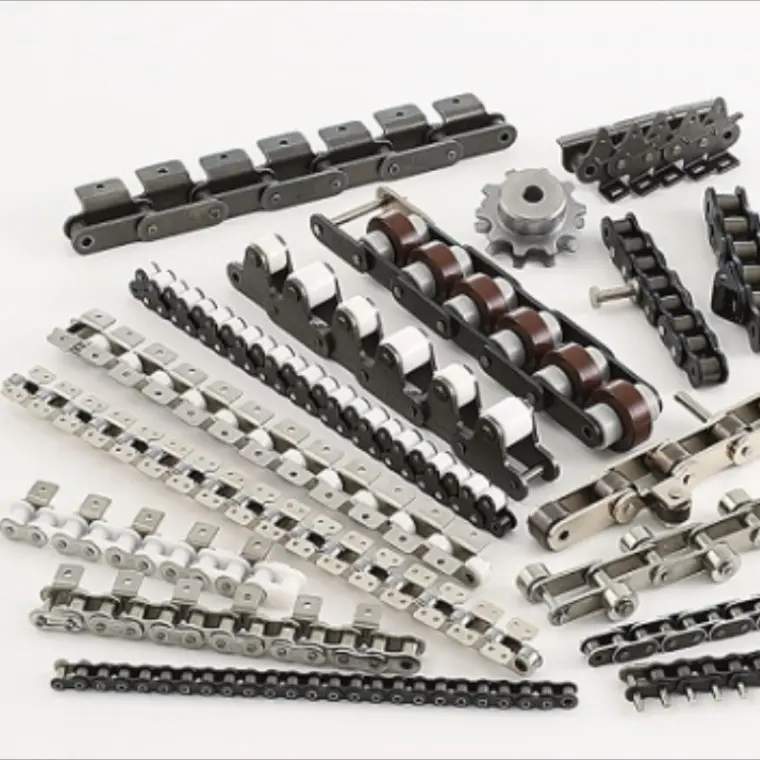
Roller chains come in various types, each tailored to specific industrial needs. Let’s explore some of the most common types:
3.1 Standard Roller Chains
The standard roller chains are the most commonly used type, featuring a simple design and wide availability. They are suitable for general-purpose applications with moderate load requirements.
3.2 Heavy-Duty Roller Chains
Heavy-duty roller chains are engineered to handle high loads and provide exceptional durability. They find applications in heavy machinery, mining equipment, and industrial conveyors.
3.3 Double-Pitch Roller Chains
Double-pitch roller chains have a larger pitch, making them ideal for applications that require slower speeds and lighter loads. They are commonly used in conveyor systems and material handling equipment.
4. Choosing and Customizing Roller Chains
When selecting or customizing roller chains, various parameters and practical conditions need to be considered:
4.1 Load Capacity
The load capacity of a roller chain is crucial in determining its suitability for the intended application. Factors such as shock loads, vibrations, and operational conditions should be carefully assessed.
4.2 Speed and RPM
The speed and revolutions per minute (RPM) requirements of the application influence the chain’s design and material selection. High-speed applications may necessitate special lubrication or heat treatment options.
4.3 Environmental Factors
Environmental conditions, such as temperature, humidity, and exposure to corrosive substances, must be accounted for when selecting roller chains. Special coatings or materials may be required to enhance durability.
4.4 Maintenance and Lubrication
Proper maintenance and lubrication play a crucial role in extending the lifespan and performance of roller chains. Understanding the lubrication requirements and maintenance intervals is essential for optimal operation.
4.5 Customization Options
Roller chains can be customized to meet specific application needs. Customization options include attachments, special coatings, materials, and unique design features tailored to the requirements of the industry.
Why Choose Our Roller Chains?
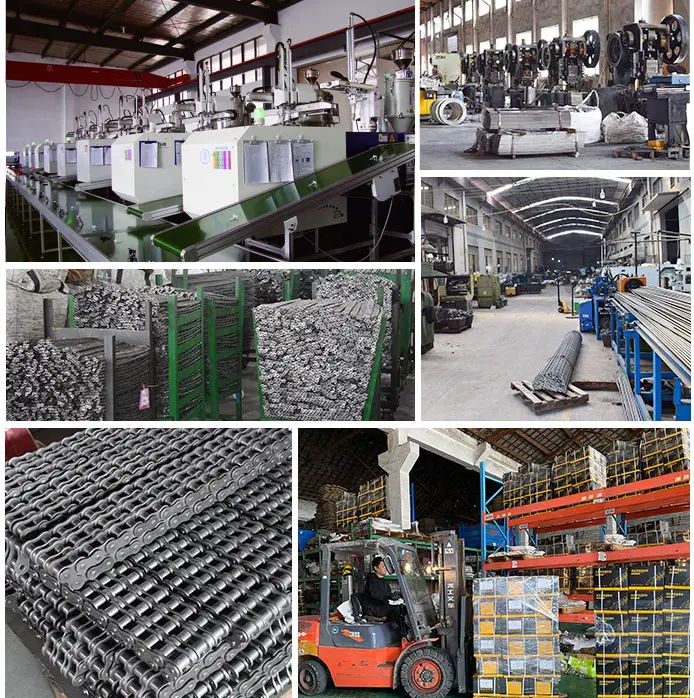
HZPT, established in 2006 and located in Hangzhou, China, is a renowned provider of high-quality roller chains. Our products stand out due to the following advantages:
- Over 20 years of ODM and OEM experience, ensuring excellence in every chain we produce.
- 100% pre-delivery testing to guarantee superior quality and performance.
- 24-hour customer service, ready to address any inquiries or concerns promptly.
- Utilization of premium materials and continuous product development to meet market demands.
- Factory-direct pricing for four years, providing cost-effective solutions without compromising quality.
At HZPT, we specialize in the production and sale of roller chains. Contact us for your specific requirements, and our dedicated team will respond within 24 hours. We offer customizations, OEM, and ODM services, ensuring that our products meet your specific needs.
Edited?by?:?CX????