
The paradox of a new roller chain wearing faster than the old one it replaced is more common than most maintenance teams expect — and it has several well-understood causes, none of which are related to the new chain being defective. The problem is typically in the drive itself: a worn sprocket, a pitch mismatch, or a lubrication gap that the old chain had adapted to but the new chain cannot tolerate. Identifying and correcting the true cause before the next chain replacement is the critical step that most maintenance teams skip.
The Most Common Cause: Worn Sprockets Not Replaced With the Chain
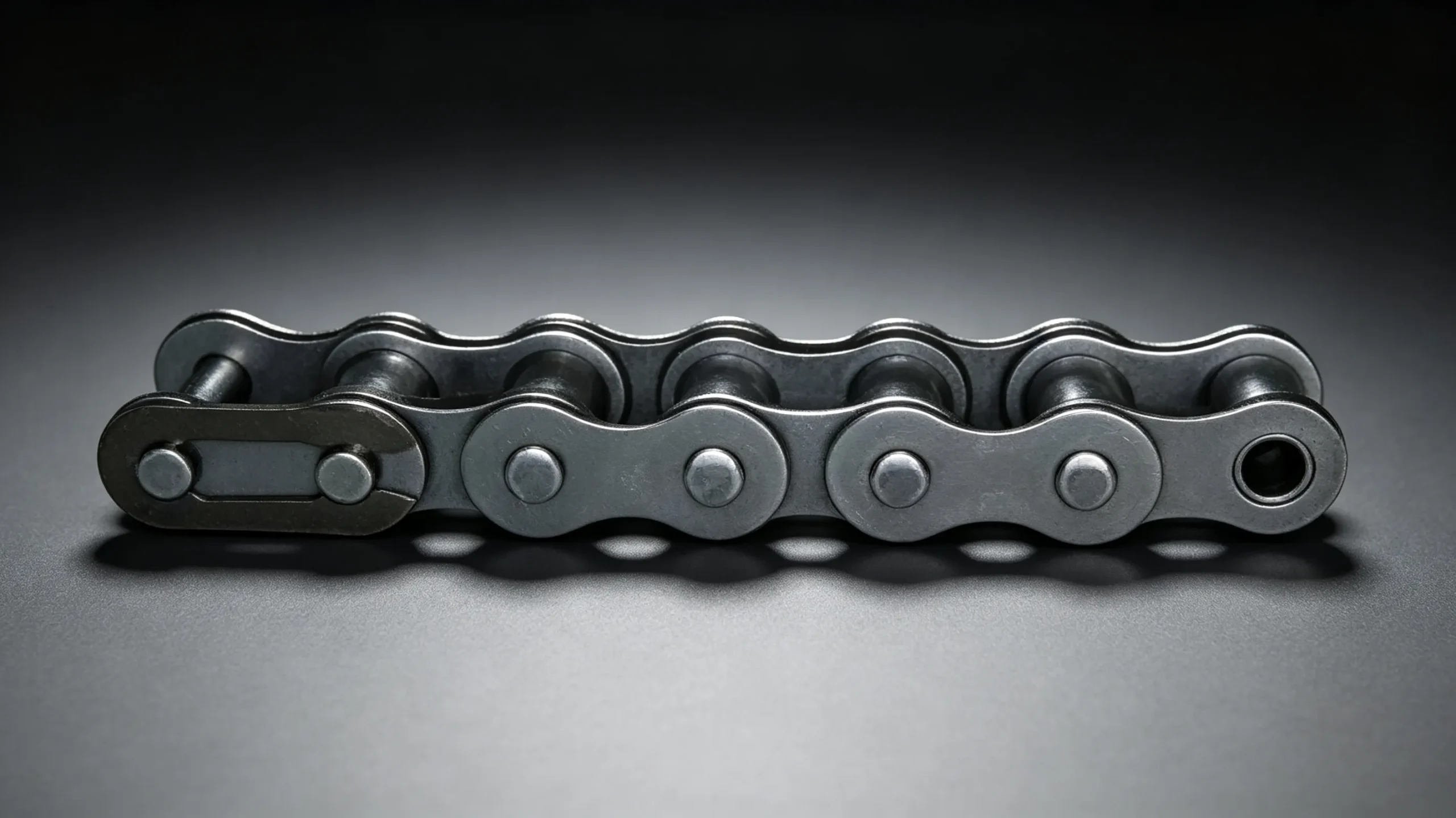
The single most common reason a new roller chain wears faster than expected is that the drive sprockets were not replaced at the same time as the chain. Sprockets wear through the same process as chain elongation — the sprocket tooth flanks are progressively abraded by roller contact, producing a distinctive hooked or curved tooth profile. When a new chain (with nominal pitch) is installed on worn sprockets, the new rollers do not seat at the worn tooth root in the same way the elongated old chain rollers did. The mismatch between the new chain nominal pitch and the worn sprocket enlarged effective pitch causes the new rollers to contact the tooth flank further from the root on every engagement, producing higher impact force and faster wear from the first revolution.
Perform the roller seating test before installing any new chain: press a section of the new chain against the drive and driven sprockets and observe whether the rollers seat at the tooth root. If the rollers bridge across tooth tips rather than settling at the root, the sprockets are too worn to correctly engage a new chain.
The Second Most Common Cause: The New Chain Was Under-Specified
Compare the specification of the two chains. The old chain may have been a heavy duty (H series) specification while the replacement was ordered as standard series. Or the service conditions may have changed — a new driven machine was added to the drive, the PTO engagement sequence changed producing harder shock loading, or operating hours per day increased. Verify that the replacement chain specification is at least equal to the original, including series (standard versus heavy duty) and quality level.
The Third Cause: Running-In Lubrication Was Inadequate
New roller chain should be lubricated immediately before installation and again after the first 2 to 4 hours of operation under load. The running-in period is when the chain plates, pins, bushings, and rollers are bedding in to their final working positions — this process generates additional wear debris and requires adequate oil film to prevent adhesive wear between newly contacted surfaces. A chain installed without lubrication and run dry for the first hours of operation will develop a wear pattern during running-in that results in faster elongation throughout its service life.
The Fourth Cause: The New Chain Is a Lower Quality Specification
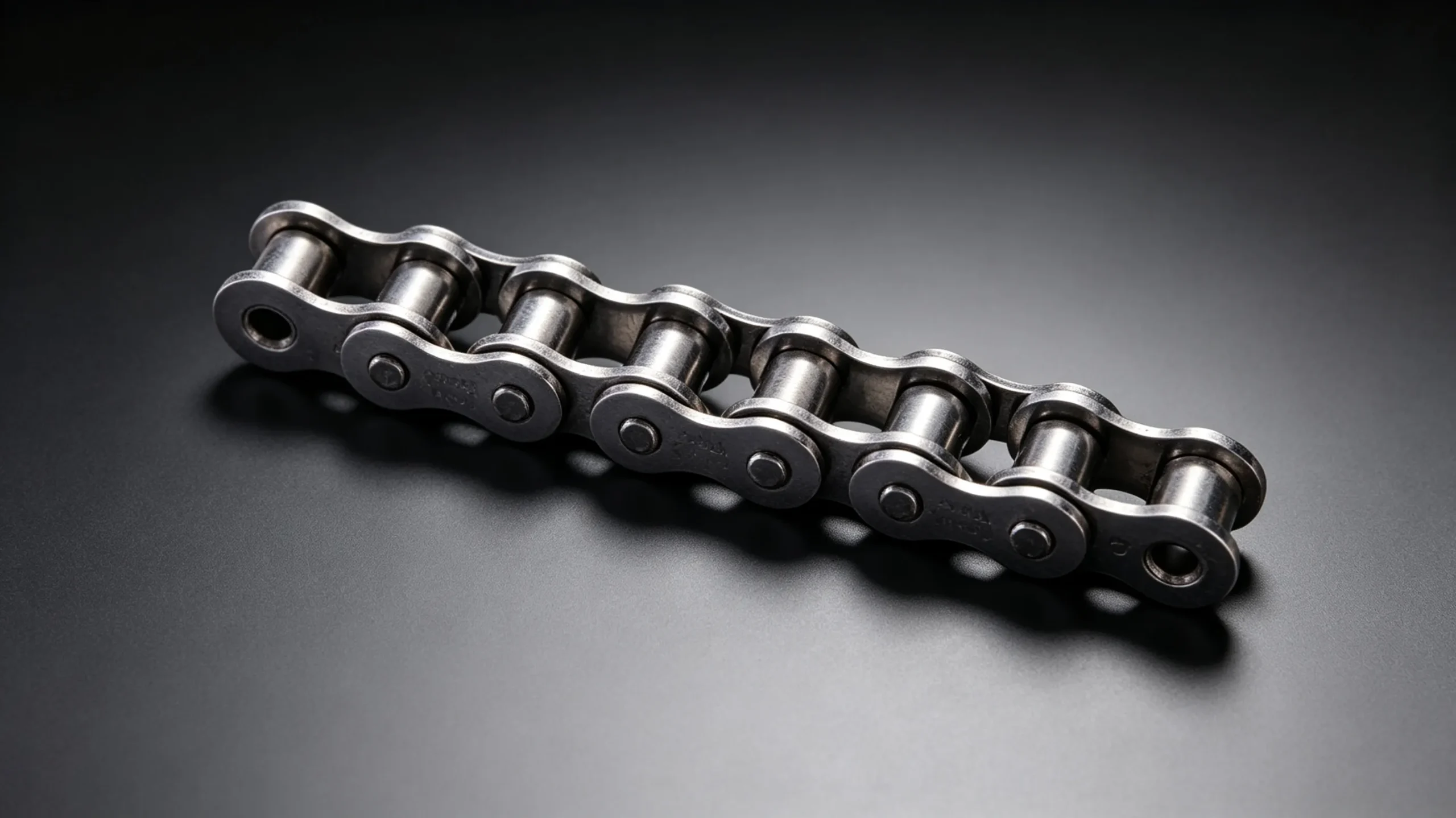
Supply chain changes — a different procurement source, a substitution during a supply shortage — can result in replacement chain of lower quality than the original. Lower-quality chain may have softer steel at the pin and bushing contact surfaces (inadequate heat treatment); wider dimensional tolerances (resulting in higher pin-bushing clearance and faster initial elongation); or thinner plate thickness than specified. Compare the replacement chain specification documentation against the original before concluding the drive or sprockets are the problem.
The Fifth Cause: Contamination From the Old Chain
The old chain left wear debris — fine steel particles from the worn pin and bushing surfaces — inside the drive housing, on the sprocket teeth, and in chain guide channels. This wear debris is highly abrasive and, if not cleaned from the drive before installing the new chain, immediately contaminates the new pin-bushing joints. Clean the sprockets, housing, and chain guides with compressed air and a degreasing wipe before installing any replacement chain.
EverPower Roller Chains Australia supplies ANSI roller chain in standard and heavy duty series with quality documentation. If your replacement chain is wearing faster than expected, contact +61 2 9708 3322 or [email protected].
+61 2 9708 3322 | [email protected] | 27 Harley Crescent, Condell Park NSW 2201