
Installing a new roller chain on worn sprockets is one of the most common and costly mistakes in chain drive maintenance. A sprocket with hooked or undercut teeth cannot correctly engage a new chain — the new rollers bridge across worn tooth tips rather than seating at the tooth root, producing impact overloads on every engagement that destroy the new chain in a fraction of its design service life. A correct sprocket inspection takes less than five minutes and provides the definitive answer to whether a sprocket can remain in service with a new chain.
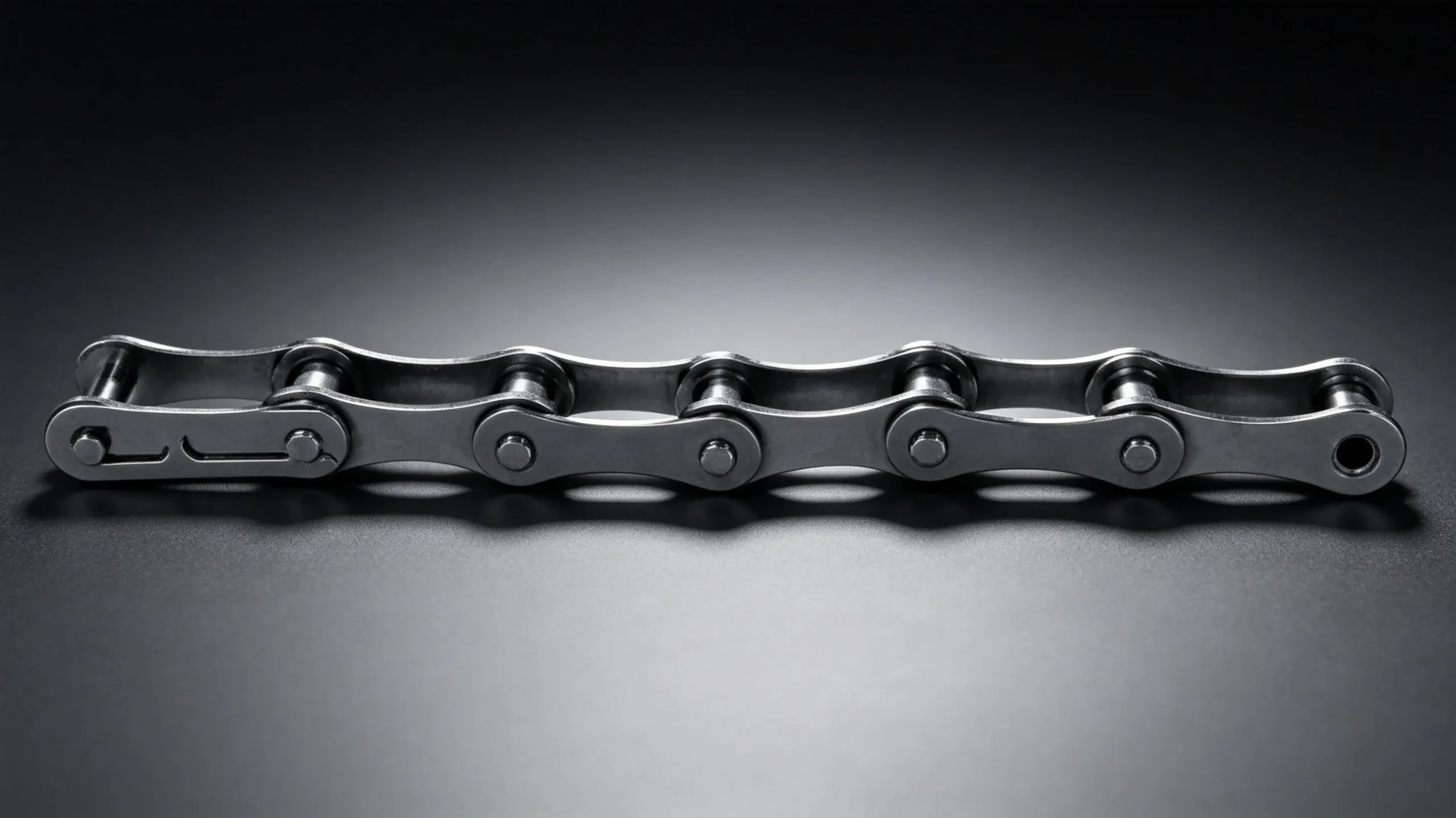
The Roller Seating Test: The Definitive Wear Check
The roller seating test is the most reliable and practical method for assessing sprocket tooth wear in field or workshop settings. It directly answers the question that matters: will a new chain roller seat at the tooth root when the sprocket engages under load?
Use a 30 to 50 cm section of new chain of the correct specification for the sprocket being inspected.
Remove all grease, chain debris, and abrasive deposits from the sprocket tooth faces. Debris gives a false reading.
Hold the new chain so that five to seven rollers press simultaneously against the sprocket tooth faces, as if the chain were engaged in service under moderate tension.
On a new or lightly worn sprocket, rollers rest in the tooth root with minimal clearance. On a worn sprocket, rollers are visibly elevated above the tooth root — sitting on the tooth flanks or tooth tips.
Rollers at the tooth root with minimal gap: sprocket is serviceable. Rollers elevated 2 mm or more above the tooth root: replacement recommended. Rollers bridging tooth tips without contact at the root: replace immediately.
Visual Inspection of Tooth Profile
| Tooth Condition | Visual Appearance | Interpretation |
|---|---|---|
| New or light wear | Uniform flat-to-convex forward flank; sharp tooth tip; symmetric profile both sides of tooth centreline | Serviceable — proceed to roller seating test to verify |
| Moderate wear — hook developing | Forward tooth flank has become concave (curved inward) near the tip; asymmetry between leading and trailing flanks | Marginal — roller seating test required; if rollers seat at root, the sprocket may continue for one more chain cycle with close monitoring |
| Severe wear — pronounced hook | Forward flank is deeply undercut; tooth tip has a pronounced hook shape | Must be replaced — the hook profile will eject a new chain under dynamic loading |
| Tooth breakage | Missing or fractured tooth tip or body | Immediate replacement — a broken tooth causes chain skip and damage on every revolution |
| Alternating tooth wear pattern | Every second tooth more worn than adjacent teeth | Indicates chain link count and sprocket tooth count shared a common factor — change tooth count to prevent recurrence |
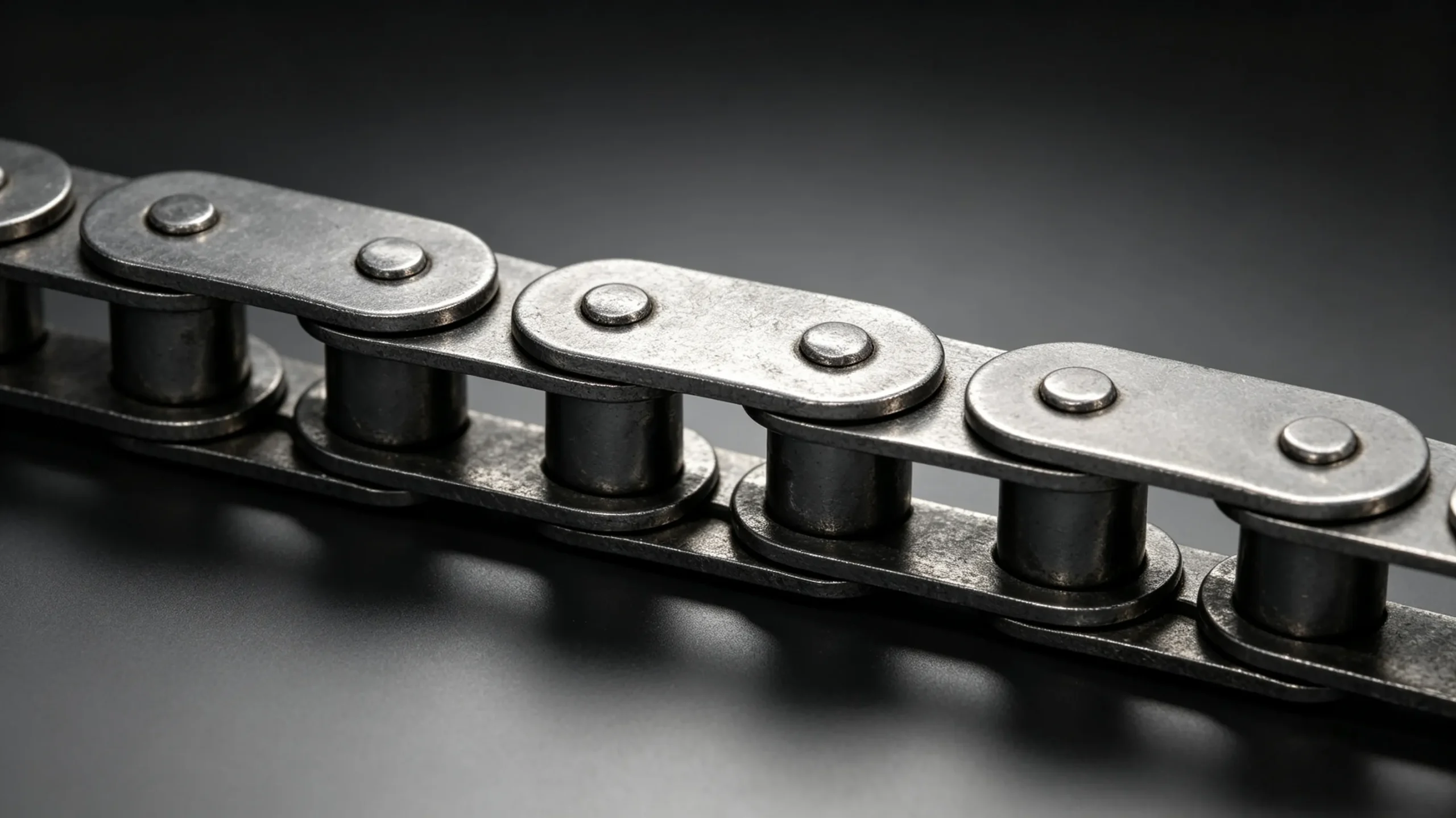
The Alternating-Tooth Wear Pattern
When every second tooth is significantly more worn than its neighbours, the same chain links were engaging the same sprocket teeth on every revolution, concentrating wear on those specific tooth pairs. When replacing this sprocket, change the tooth count to an odd number (or a number that shares no common factor with the chain link count) to avoid repeating the concentrated wear pattern.
EverPower Roller Chains Australia supplies sprockets in all standard ANSI and ISO series and tooth counts. Contact +61 2 9708 3322 or [email protected] to order replacement sprockets matched to your chain specification.
+61 2 9708 3322 | [email protected] | 27 Harley Crescent, Condell Park NSW 2201