
Purchasing stainless steel roller chain for a food processing facility is not the same exercise as buying standard industrial chain for a manufacturing plant. The specification requirements extend well beyond pitch and breaking load — food processing chain must comply with hygiene regulations, withstand specific cleaning chemistries, carry a food-grade lubricant, and be traceable through documentation that supports HACCP audit requirements. Finding a supplier who understands all of these requirements — and can provide the product, documentation, and technical support to match — is the practical challenge. This guide maps where Australian food processors should source stainless steel chain and what to look for in the supply relationship.
What Food Processing Chain Specification Looks Like
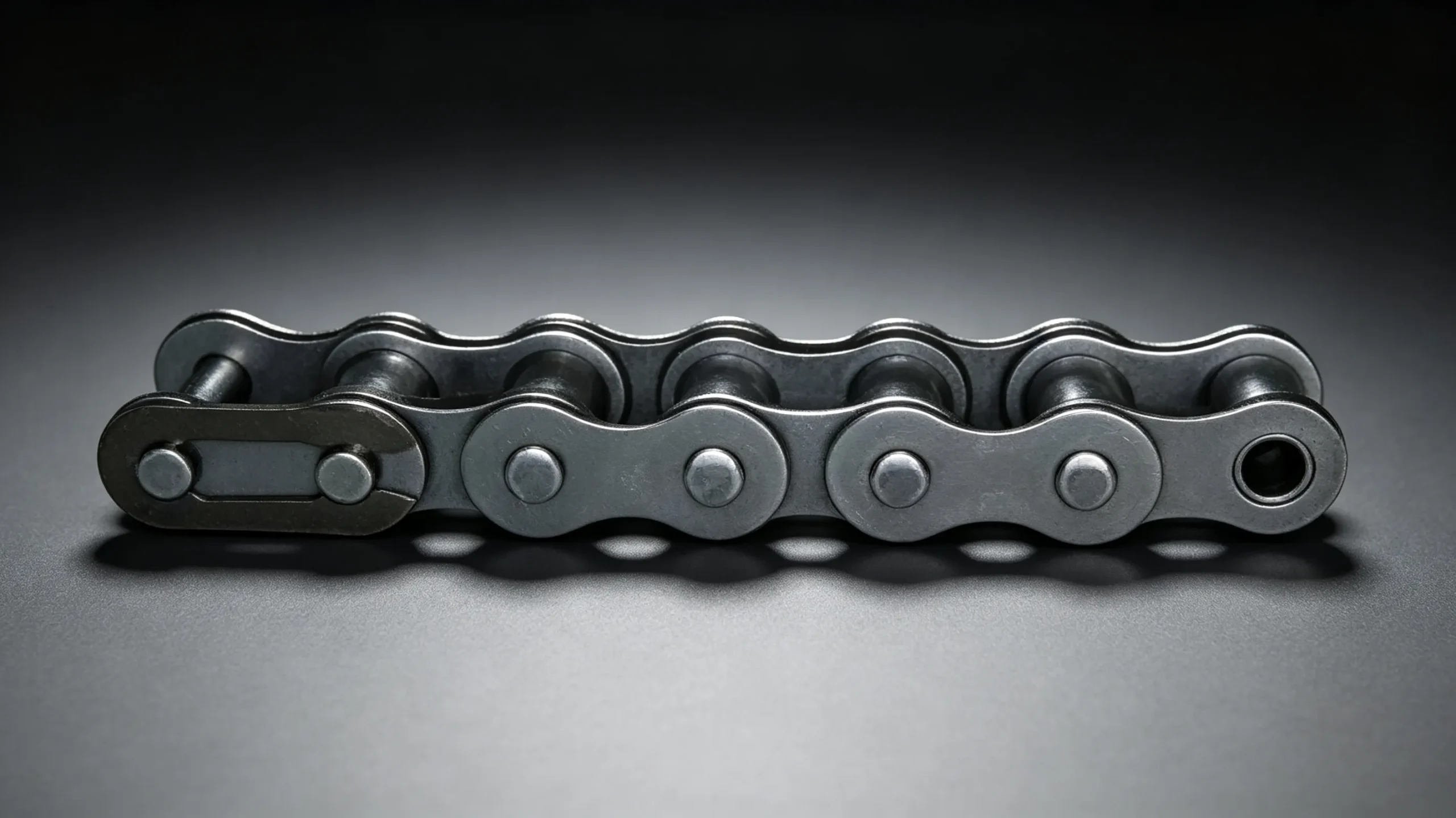
A complete stainless steel roller chain specification for a food processing application covers five elements simultaneously: base material grade (304 or 316 stainless, depending on cleaning chemistry), chain dimensions (ANSI or ISO standard, pitch size, strand count), lubrication specification (NSF H1 food-grade oil), surface condition (passivated for enhanced corrosion resistance in aggressive environments), and documentation requirements (material certificate confirming alloy grade, inspection certificate confirming dimensions, and lubricant certificate confirming NSF H1 compliance).
The most common specification error in food processing chain procurement is ordering stainless chain without specifying the lubricant. A stainless steel chain supplied with a standard petroleum-based lubricant is not food-processing compliant — the lubricant is the non-compliant element, not the chain material. Always specify NSF H1 food-grade lubrication explicitly on the purchase order and request a lubricant certificate confirming compliance.
316 vs 304 Stainless: Matching Grade to Environment
| Environment | Cleaning Chemistry | Correct Grade | Incorrect Grade | Consequence of Wrong Grade |
|---|---|---|---|---|
| Bakery, dry food, confectionery | Water wash, mild detergent | 304 stainless adequate | 316 not wrong — just unnecessary cost | 304 will corrode if strong chlorinated sanitisers are used regularly |
| Meat processing, seafood | Chlorinated sanitisers (200+ ppm Cl), salt brine | 316 stainless required | 304 stainless | Chloride attack on 304 — pitting corrosion within weeks of exposure |
| Dairy and cheese processing | Caustic CIP, chlorinated sanitisers | 316 stainless preferred | 304 stainless | As above — chloride exposure accelerates in warm CIP conditions |
| Fruit and vegetable processing | Organic acids present; water wash | 304 adequate for most; 316 if strong acids used | 316 not wrong — just more expensive | Organic acids at low concentration are manageable with 304 |
| Pharmaceutical / nutraceutical | Alcohol sanitisers; DI water wash | 316L stainless preferred | 304 stainless | 316L provides better resistance to trace chemical attack in clean environments |
Where to Source Food-Grade Stainless Steel Chain in Australia
Specialist Industrial Chain Importers
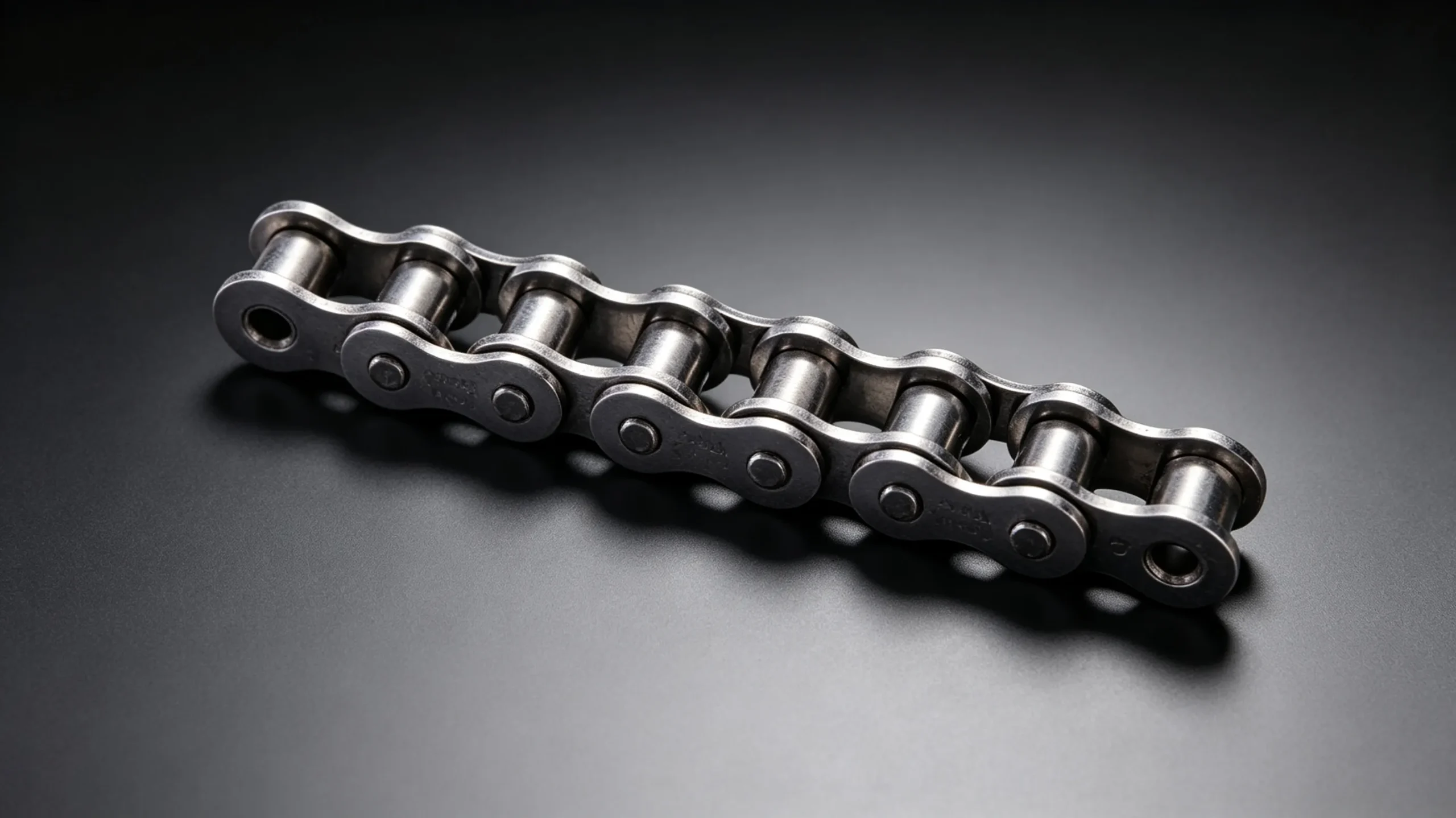
Specialist roller chain importers with food processing experience are the primary correct source for stainless steel roller chain in Australia. They maintain stock of common food-grade configurations, understand the NSF H1 lubrication requirement, and can provide the material and lubricant certificates required for HACCP documentation. EverPower Roller Chains Australia stocks 304 and 316 grade stainless chain in ANSI 40, 50, 60, and 80 simplex configurations with NSF H1 lubrication from our Sydney facility.
Food Processing Equipment Suppliers
Equipment suppliers specialising in food processing machinery often carry a limited range of stainless steel roller chain specific to the equipment brands they service. Their range is typically narrower than specialist chain importers, and pricing may reflect a significant service premium. However, if the chain must match an OEM specification tied to an equipment warranty, sourcing through the equipment supplier may be appropriate.
General Industrial Distributors
Most general industrial distributors carry stainless steel chain in limited configurations — typically 304 grade ANSI 40 and 60 simplex without guaranteed NSF H1 lubrication. For food processing applications requiring 316 grade, specific pitch sizes outside standard stock, or certified NSF H1 lubrication, a specialist importer is the more reliable source. General distributors rarely have the documentation depth required for HACCP-compliant food processing chain supply.
Self-Lubricating Stainless Steel Chain: When External Lubrication Must Be Eliminated
For food processing drives where external lubrication is impractical or prohibited — overhead conveyors above open product lines, enclosed drive housings in hygienically sensitive areas, or drives where the lubrication interval cannot be maintained consistently — self-lubricating stainless steel roller chain with food-grade oil impregnation in the sintered bushing is the correct specification. This eliminates external lubrication entirely for the chain service life, removing both the maintenance burden and the contamination risk associated with periodic oil application.
Self-lubricating stainless chain is typically 40 to 80 percent more expensive than standard stainless chain of the same pitch. For the right application — an overhead conveyor running above a continuous open product line — this premium is clearly justified. For a conveyor in a sealed section of the plant where external lubrication is practical and the contamination risk is low, standard stainless chain with NSF H1 oil is more economical.
Documentation Requirements for Food Processing Chain
Food processing facilities operating under HACCP, SQF, BRC, or equivalent food safety management standards require documented evidence that all materials in contact zones meet the relevant specifications. For stainless steel roller chain, this typically means: a material certificate confirming alloy grade (304 or 316) and confirming that the chain meets the relevant ANSI or ISO chain standard; and a lubricant certificate confirming NSF H1 compliance for the lubricant applied to the chain.
EverPower Roller Chains Australia provides both documents as standard for stainless steel chain supplied to food processing customers. These documents form part of the HACCP evidence file and support third-party food safety audits. Request documentation specifications at the time of ordering — retroactive documentation for chain already installed is not possible if the original certificates were not obtained at purchase.
For bakeries and dry food
304 stainless ANSI 60 simplex with NSF H1 oil. Most common size — covers most bakery conveyor and drive applications. Available from EverPower Sydney stock.
For meat and seafood processing
316 stainless ANSI 60 or ANSI 80 simplex with NSF H1 oil. 316 grade essential for chlorinated wash-down environments. Available to order with 2–4 week lead time.
For overhead conveyors above open product
Self-lubricating 304 or 316 stainless with food-grade oil impregnation. Eliminates external lubrication. Available to order — allow 4–6 week lead time.
For pharmaceutical and nutraceutical
316L stainless with food-grade oil and passivation certificate. Maximum corrosion resistance for clean-room environments. Contact EverPower for custom specification.
EverPower Roller Chains Australia supplies stainless steel roller chain in 304 and 316 grades with NSF H1 food-grade lubrication and full HACCP-supporting documentation for food processing facilities across New South Wales and Australia. Contact our Sydney team at +61 2 9708 3322 or [email protected] for specifications and pricing.
+61 2 9708 3322 | [email protected] | 27 Harley Crescent, Condell Park NSW 2201